Cinema with context, not noise
Cinema is infinite. Start with what you want to feel.
Films, people and essays connected through verified data and human editing. No automated lists or filler synopses.
✓ Human-written, sourced and editorially verified
2,004Movies
28,245People
19Editorial
Verified records
Films to explore
Connected records that distinguish works, versions, territories and sources.
View all →Signed perspectives
Understanding what we watch
Criticism, context and history written and reviewed by people. Sources are collected at the end.

Inhabiting Animation: Three Films for Reading Scale, Texture and Routine
The Wild Robot, Elio and Mufasa: The Lion King do not make a world inhabitable in the same way. This itinerary asks what bodies, edges, surfaces and tasks do to make a space seem to exist before a character arrives and to continue once they leave.
Read the article →
28 Years Later: when the future is not enough to measure a sequel’s time
The number in the title announces a chronology, but the film makes it legible in another way: as a culture forced to rebuild its gestures, its stories and its sense of danger. This analysis is limited to documented formal decisions and avoids treating franchise continuity as an automatic explanation.
Read the article →
Michael Kahn: How to Read an Editing Collaboration Without Making the Editor Invisible
Michael Kahn’s work makes it possible to study editing as a decisive creative practice without treating every cut as proof of an individual signature. The key is not to guess who “made” a scene, but to separate what the screen shows, what the process documents and what can only be framed as a hypothesis.
Read the article →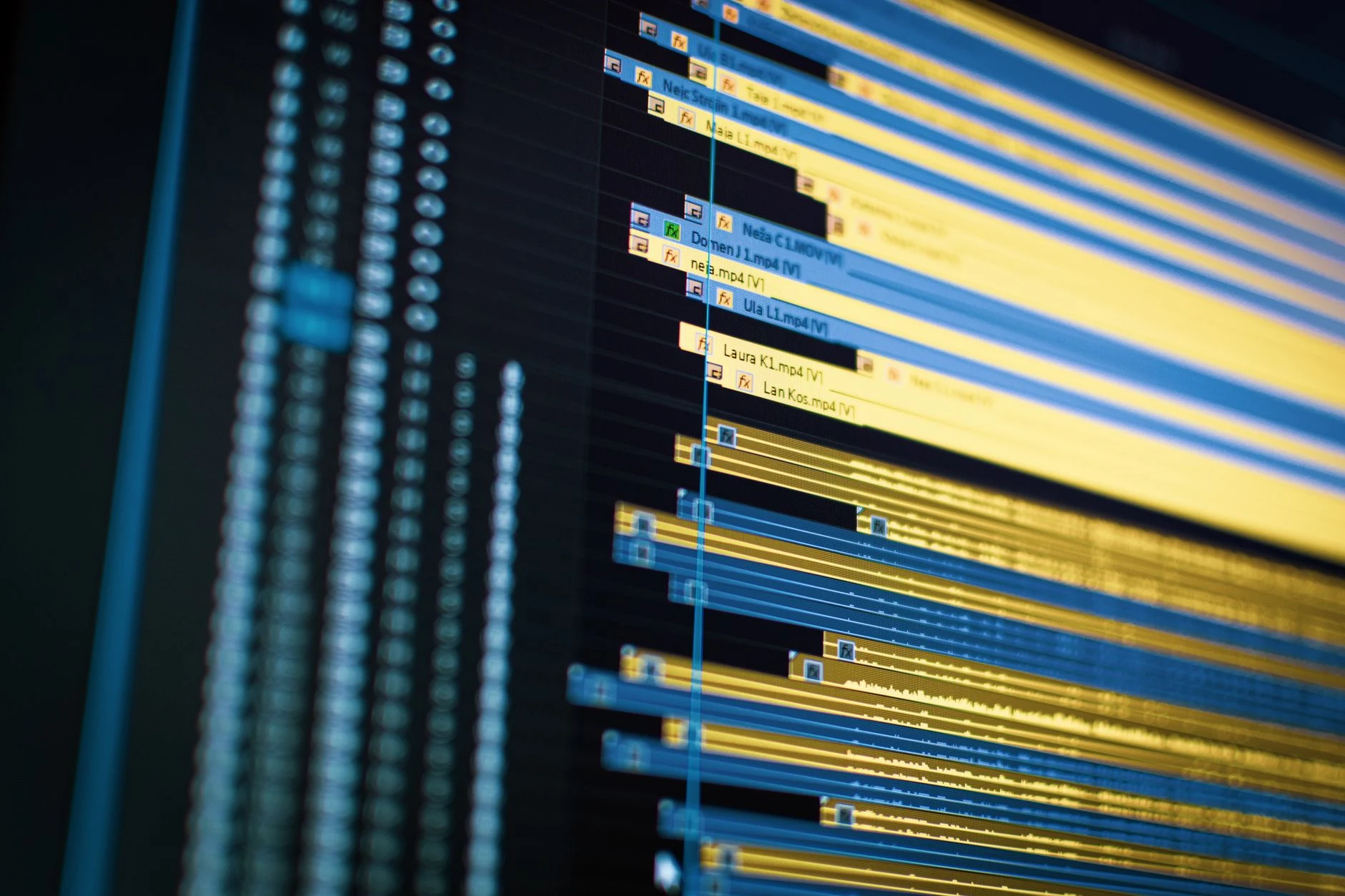
Subtitles Are Not Dialogue: How to Spot What Translation Changes in Viewing
Reading a film is not the same as hearing its dialogue transcribed. Subtitles select, arrange and time information within specific limits of space, time and readability; they can therefore alter the rhythm, tone and attention we give to the shot.
Read the article →
Transparency
Read our methodology ↗
Our judgment is documented too
We explain how facts are checked, spoilers protected and each image authorised.