Credits can identify roles; a copy can support descriptions of formal choices; neither, on its own, proves who conceived or performed each action. The sources located here do not make it possible to carry out the film comparison this question requires.
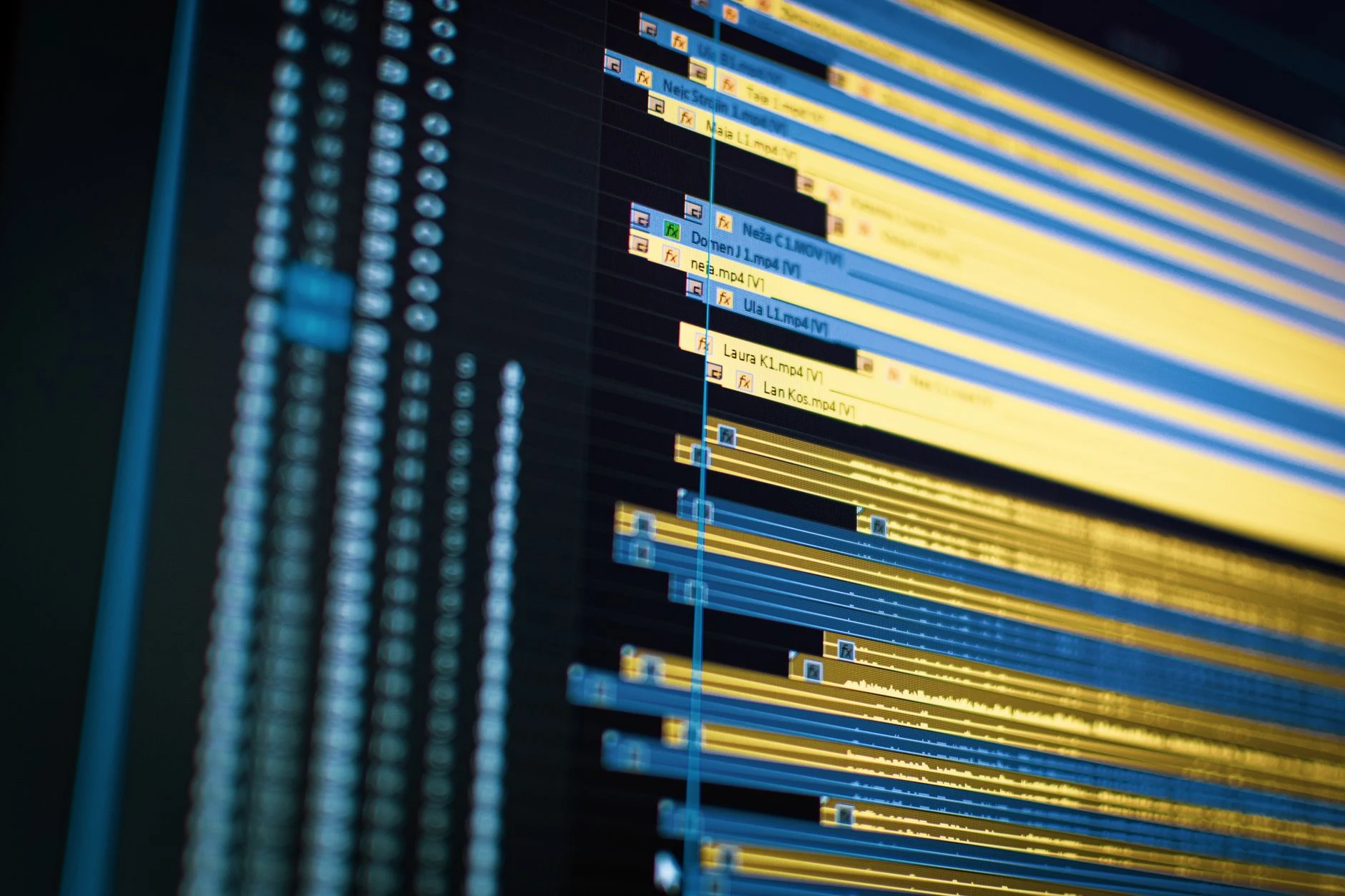
The question is not only who is listed as editor, but what record supports that credit and what conclusions it allows. Based on the documentation located, it is not possible to verify editing credits for Joel Coen or to separate individual responsibilities within a collaboration.
Some pages attribute storyboards and hundreds of drawings to Kurosawa, but the available references are not enough to identify originals, dates or films. The gap between a repeated claim and verifiable evidence is the starting point, not a detail to overlook.
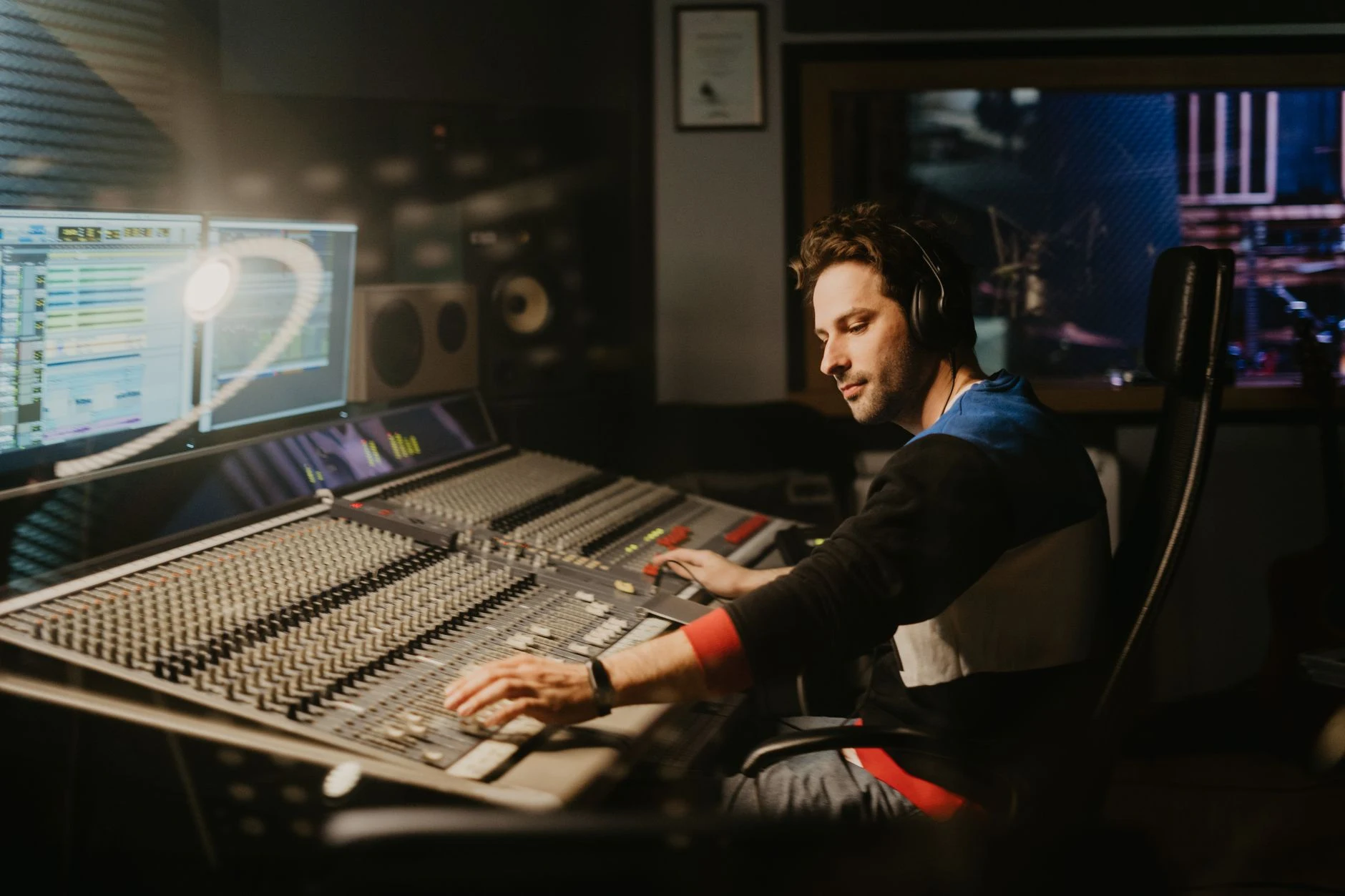
A prominent name on screen identifies an accredited responsibility, but it is not enough on its own to reconstruct every task that shaped a film’s music. Powell’s case offers a way to frame the question—and to recognize when evidence is missing.
Opening credits arrange names, images, sound and time before the fiction settles into place. Reading them well is not about guessing the plot; it means describing their materials, hierarchy and the precise relationship they establish with the first scene.
The same film can reach viewers in more than one legitimate framing, or in a version that has decisively altered its composition. The difference cannot be settled by counting black bars: it requires separating how the film was photographed, projected, transferred and which specific edition is being watched.
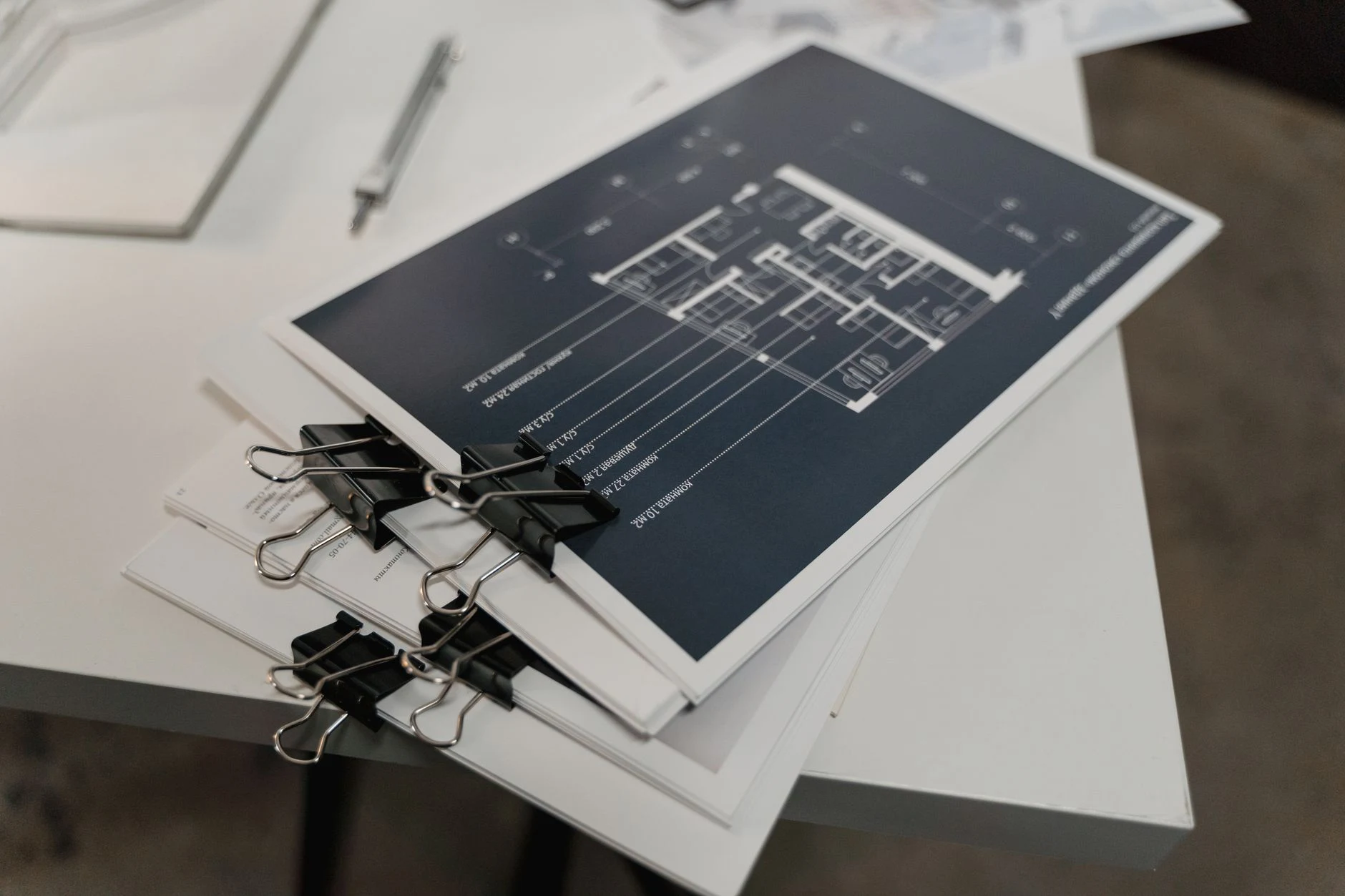
Production design does not begin when a set simply “looks good” on camera. It organizes a set of decisions about space, materials, objects, access, construction, budget and time—decisions that then intersect with framing, lighting, costume and performance. This guide proposes a way of looking at that work without turning it into a solitary signature.
Comparing a dubbed film with its original track is not a matter of tallying losses and successes. It means attending to several interventions—adaptation, dialogue fitting, vocal performance and sound playback—that alter the relationship between body, language, space and character in different ways.
The label “Warner look” describes a real historical association, but becomes imprecise when it replaces credits, formats and the specific conditions under which films are made. A brief selection from Casablanca to Barbie shows why the studio name is better treated as an industrial question than as an aesthetic answer.
Reading a film is not the same as hearing its dialogue transcribed. Subtitles select, arrange and time information within specific limits of space, time and readability; they can therefore alter the rhythm, tone and attention we give to the shot.
Editing is not synonymous with speed. It organizes relationships between shots and sounds: it can clarify a space, remove a stretch of time, alter an expectation, or make two images comment on each other. This guide suggests observing those effects before assigning them a label.
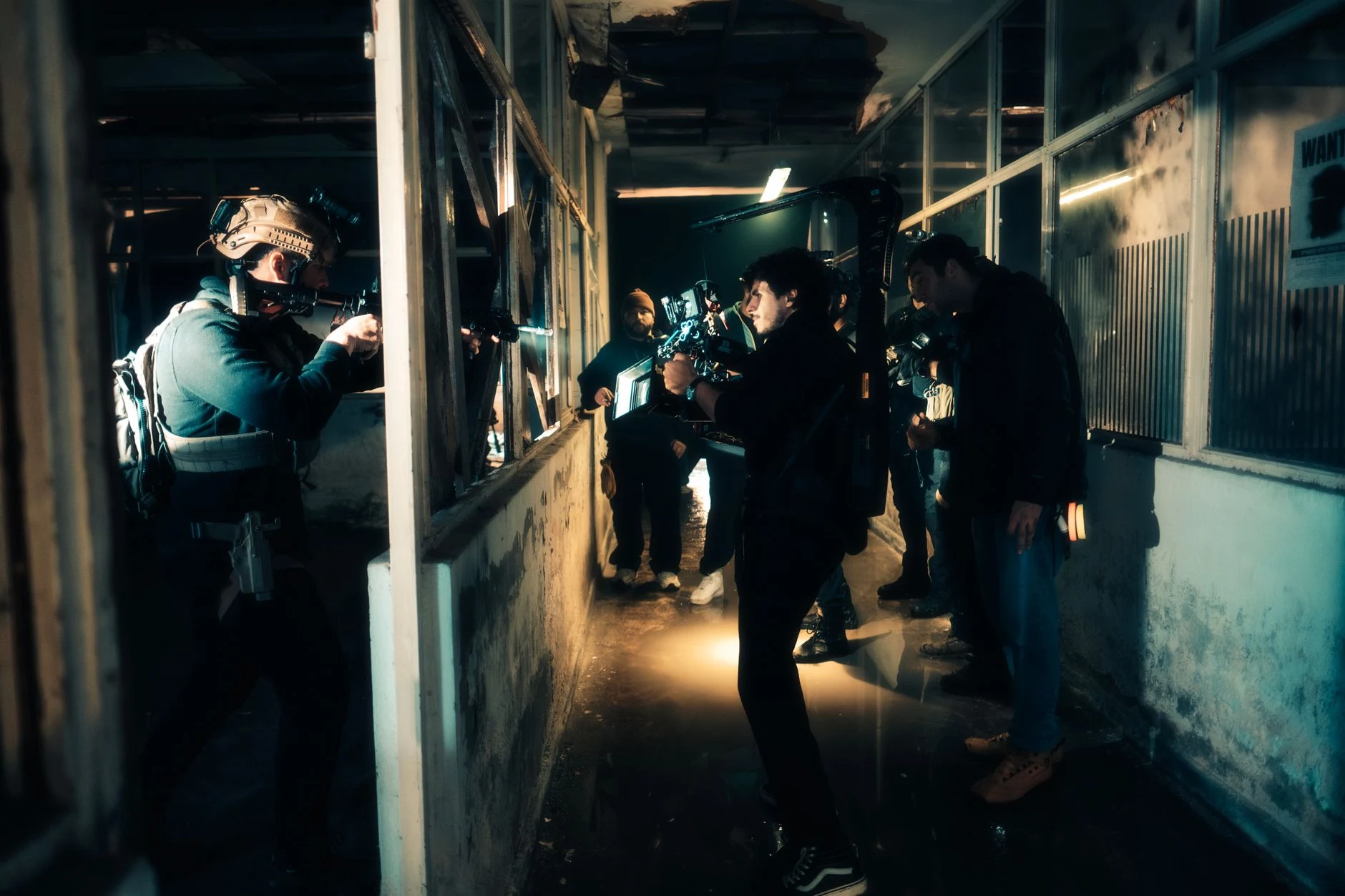
A long take is not simply “a camera that does not cut.” This guide offers a method for describing what organizes the image when editing is no longer visible: duration, framing, movement, performance, sound, light, choreography and, in some cases, continuity constructed in post-production.
A pre-existing image may provide information, summon a past or simply create a feeling of authenticity. Before accepting it as evidence, it is worth asking where it came from, what has happened to it and what claim it now supports.
By MovieResort Editorial Team
movieresort.
Less searching. More enjoying cinema.
AI-created illustration for MovieResort
movieresort.
Cinema, delivered to your inboxFree
Your next great film starts here. For free.
Únete a MovieResort y recibe una selección de cine que merece tu tiempo.
Discover what to watchFilms and connections to explore.
No spoilersContext to enjoy every story more.
Thoughtful new readsA selection of our latest articles.