Craft and technique
Before the Shot: Production Design as a System of Decisions, Not Decoration
Production design does not begin when a set simply “looks good” on camera. It organizes a set of decisions about space, materials, objects, access, construction, budget and time—decisions that then intersect with framing, lighting, costume and performance. This guide proposes a way of looking at that work without turning it into a solitary signature.
Content prepared with AI assistance and documented automated checks. This does not imply human review or first-hand viewing. Editorial methodology
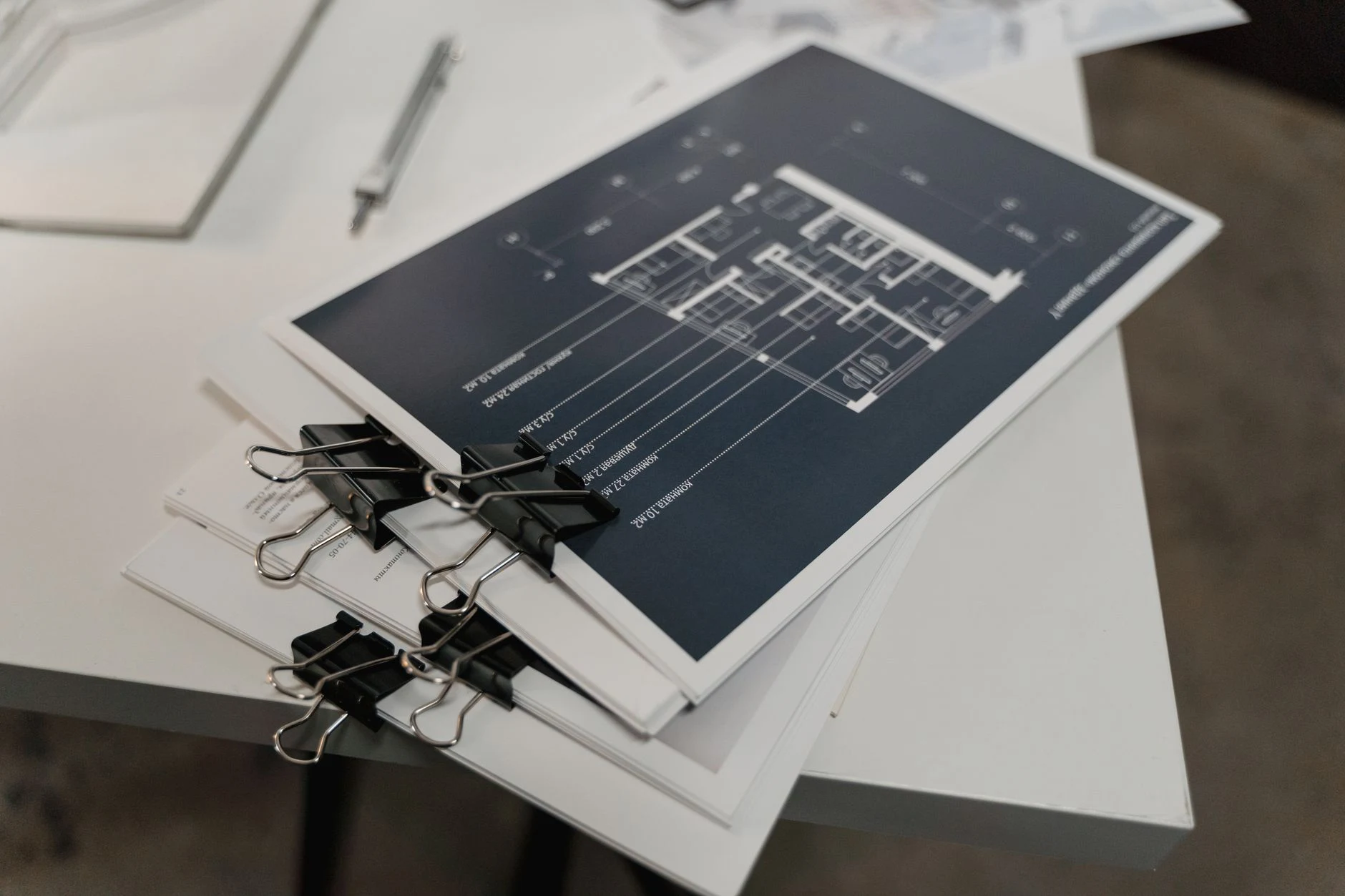
Calling everything visible in a shot “decoration” has a critical consequence: it erases the work that makes it possible for an action to take place in a particular location. A door does not merely match a wall; it can organize an entrance, allow for a camera path, separate zones of intimacy and exposure, sustain an ellipsis or impose a practical constraint on filming. A table can suggest use, class, period or abandonment, but it must also leave room for performers, boom operators, lenses, lights and movement. Production design is at work before those operations become a finished image.
A clarification is useful at the outset. The screen shows the result of a collaboration, not a transparent record of who decided every detail. Direction, production design, art direction, set decoration, props, construction, locations, costume, cinematography, effects, makeup and production may all shape the same space. A close reading can therefore describe what a place does in a film, but it should not automatically assign an individual intention without credits, interviews or process materials to support it.
The alternative to the vague claim that “the film has great production design” is to ask verifiable questions: what does the scene require from this space? What is built, what is a transformed location, and what may instead belong to lighting or framing? What professional hierarchy do the credits reveal? What documents connect the script to the final shot?
Space Is Not a Backdrop: It Is Dramatic Infrastructure
Production design can be understood as the material organization of a work’s world from the script onward, under its particular production conditions. It includes visible decisions—architecture, surfaces, objects, signage, furniture, palettes and wear—but also decisions audiences rarely perceive directly: what can be built, what can be rented, which location can be controlled by the crew, which elements must be repeated over several shooting days, and how spaces not yet scheduled for filming are prepared.This changes how we look. Rather than first asking what a room “symbolizes,” ask what spatial information it manages. Identify doors, corridors, windows, stairs and obstacles. Notice whether characters know the place or must learn it as they move through it. Determine which object draws hands, looks or argument. Attend to the distance between bodies and to the positions from which someone can listen, hide or interrupt.
Wear is also a reading decision, although not every stain needs to become an allegory. A repainted wall, a repaired chair or excessive storage can convey information about use and duration. The reasonable critical hypothesis is not “the crew wanted to express precisely this idea,” but “the scene makes a history of use legible through these materials.” The first statement claims access to intention; the second describes a perceptible effect and leaves room for documentary verification.
What Each Credit Usually Covers—and Why Memorizing a Fixed Hierarchy Is Not Enough
In the contemporary US credit model, the production designer generally coordinates the overall design of the physical environment with the director and other departments. Art direction may translate that approach into plans, construction, technical coordination and the oversight of multiple sets; its precise scope depends on each production’s scale and organization. Set decoration, in turn, works with furniture, textiles, practical lighting, artwork, greenery and other elements that dress a set or location, as well as research, purchasing, fabrication, aging and the supervision of set-dressing crews.These categories should not be used as a universal chart, however. Terminology changes across industries, historical periods, television, independent film, animation and major studio productions. The labels used by institutions and awards for similar functions also vary. Research should begin with a work’s full credits, not with the assumption that any job title retains the same status in every context.
The Wiz, from 1978, is a useful example. Its historical credits list Tony Walton as production designer, Philip Rosenberg as art director, and Edward Stewart and Robert Drumheller as set decorators. Walton is also credited for costume design. That accumulation does not justify saying that he single-handedly designed every texture, object or garment; it does establish that, on this production, production design, art direction, set decoration and costume had distinct credits, and that one person could officially contribute in more than one field. The methodological lesson is simple: attribute credited roles; describe the effects you see; do not fill the space between them with certainty.
From Breakdown to Shoot: Following Decisions Without Imagining a Straight Line
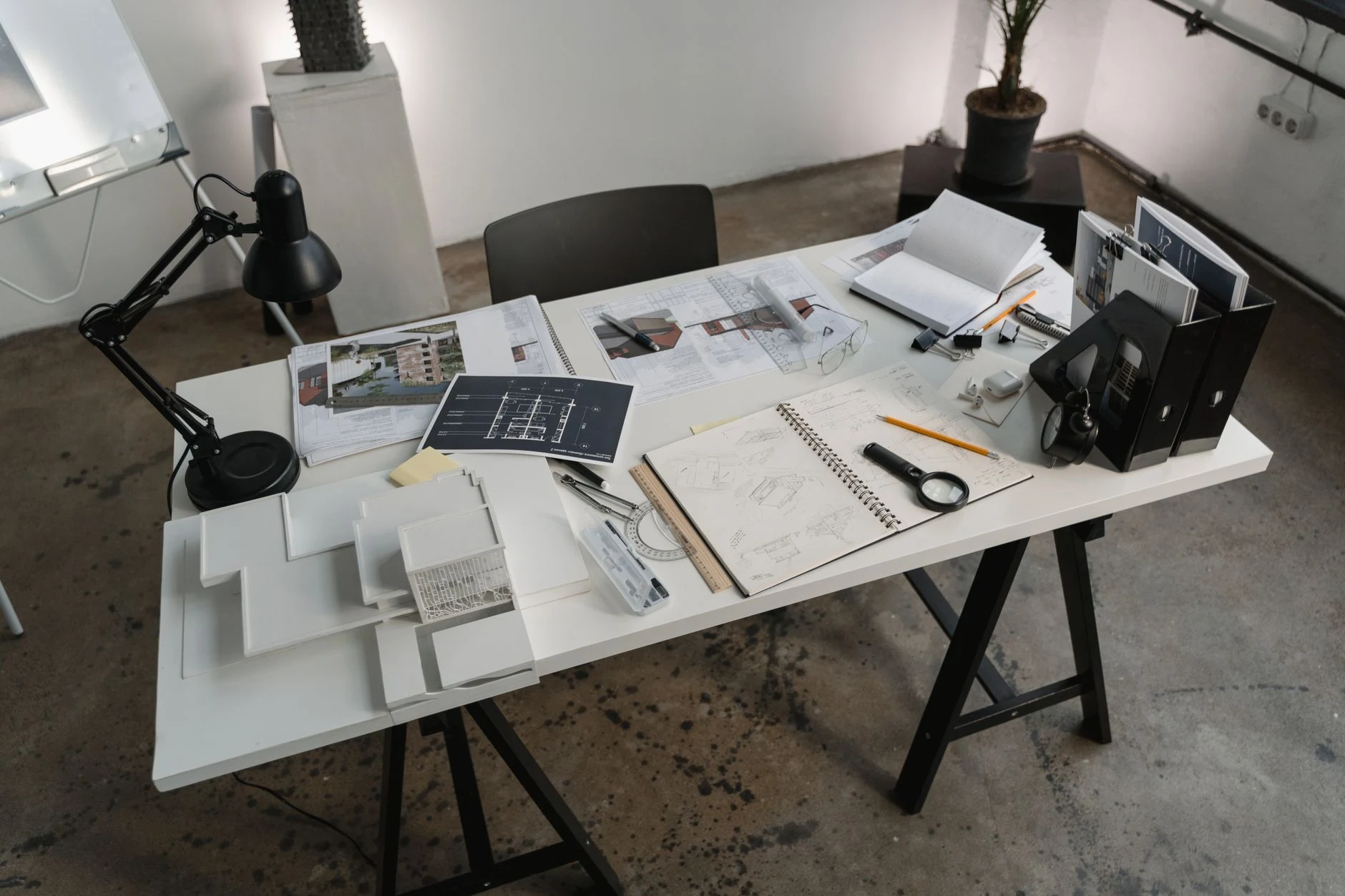
The process does not proceed neatly from an initial idea to a final image. A script is broken down into needs: locations, periods, action props, builds, graphics, vehicles, effects, changes of state and continuity requirements. Then come visual research, location scouting, floor plans, sketches, budgets, schedules, material tests and conversations with cinematography, direction, costume, effects and production. Filming modifies the system again: a location imposes limits, a camera needs room to travel, a schedule requires reuse or adaptation, a scene is rewritten, or a light reveals a surface in an unexpected way.Archives show that this chain leaves material traces. Some collections bring together dated script versions, drawings, plans, location-scouting photographs, maps, schedules and budgets. They are not magical proof of an all-encompassing intention: every document has a date, author, purpose and a different degree of relation to the final result. A sketch may belong to a discarded idea; a location photograph may show an option that was never filmed. Even so, when read alongside credits and the film, such materials are far more substantial than an inference drawn from a single frame.
The case of The Wiz offers an especially clear demonstration of this passage. A museum preserves conceptual drawings of a transformed New York, structure models and material related to the yellow brick road, while the credits distinguish the departments involved. It is legitimate to observe how the film’s route and surfaces turn the city into a terrain of theatrical transit; it is a documented fact that preparatory materials existed, and that their authors and responsible contributors cannot be reduced to the director’s name.
A Viewing Protocol for a Sequence
First pass: follow the geography. Mentally map the space without pausing: entrances, exits, heights, circulation paths, visible areas and forbidden corners. If you cannot reconstruct it, ask whether the film seeks disorientation through framing, editing or a deliberate lack of reference points before blaming the design.Second pass: follow the hierarchy of objects. Note which ones are touched, moved, broken, concealed or recur. Distinguish action props—what a performer handles and what changes the scene—from environmental decoration. The boundary can be porous, but naming it prevents assigning everything that fills the frame to a single department.
Third pass: examine material states. What seems new, patched, damp, accumulated, provisional or institutional? Compare surfaces from one scene to the next. Continuity is not only about a glass remaining in the same place: it also involves maintaining a season, a degree of deterioration, a logic of cleaning, available resources, and a relationship between interiors and exteriors.
Fourth pass: separate layers. Perceived color may come from paint, costume, filtration, grading, lighting or a combination of these. Depth may depend on architecture, lenses, focal length, smoke or framing. The responsible way to write this is conditionally: “the framing and spatial arrangement isolate the character” is defensible from the image; “the designer decided to isolate the character” requires a process source.
Fifth pass: connect the space to the scene’s timeline. Has time passed? Has someone moved away? Have the weather, available money, domestic order or level of danger changed? Look for repeated transformations rather than isolated details. Production design is better understood as continuity across decisions than as a collection of striking objects.
How to Write Without Erasing Collective Work
Use three levels of assertion. First, observation: “the room has two entrances and the conversation is interrupted from the hallway.” Second, interpretation: “this arrangement makes the characters’ intimacy vulnerable.” Third, production fact: “the credits assign production design to X and set decoration to Y,” or “an interview documents that the location was extended with a constructed addition.” Do not treat these three as if they were the same kind of evidence.It also helps to state what is not known. A film may display a strongly defined palette without making it possible to determine, from viewing alone, who proposed its hues or how work was divided among paint, costume, cinematography and color correction. Collaboration between the production designer and director of photography is often close: architecture can offer sources, textures, openings and pathways; light can radically alter how those elements are read. An interview about A Ghost Story describes shared discussions of a weathered wall, a chair’s position, the placement of dolly tracks and composition. That testimony does not make every film an identical case; it serves as a reminder that departmental boundaries are necessary for crediting work, yet permeable during the creative process.
Final template: before publishing a reading, answer: 1) what does this place do for the action? 2) what is visible, and what remains offscreen? 3) which objects have narrative function, and which build atmosphere? 4) what material changes indicate the passage of time? 5) what securely belongs to the result of light, camera or editing? 6) which roles appear in the full credits? 7) is there an interview, plan, script, production still or archive that confirms an attribution? 8) which part of my text is description, which is interpretation, and which is documented fact?
Looking this way does not diminish cinema’s mystery. It makes it more precise: space ceases to be an ornament reflexively attributed to the director and appears instead as a network of decisions that lets the camera find an image, bodies inhabit it, and the narrative transform its material conditions.
Key takeaways
- Do not attribute everything visible to one person: credits and documentation should come before claims of authorship.
- Begin with a sequence’s geography: access points, obstacles, action zones and material changes before looking for symbols.
- Distinguish observation, interpretation and production fact; each level requires different evidence.
- Plans, sketches, scripts, location photographs and schedules reveal processes, but may also record discarded options.
- Collaboration with cinematography, costume, props, construction and production prevents the “look” from being separated from its material and logistical conditions.
Sources and filmography consulted
- www.setdecorators.org. www.setdecorators.org. Consulted 21 Sep 2026
- theasc.com. theasc.com. Consulted 21 Sep 2026
- www.deutsche-kinemathek.de. www.deutsche-kinemathek.de. Consulted 21 Sep 2026
- catalog.afi.com. catalog.afi.com. Consulted 21 Sep 2026
- www.deutsche-kinemathek.de. www.deutsche-kinemathek.de. Consulted 21 Sep 2026
- web-app.usc.edu. web-app.usc.edu. Consulted 21 Sep 2026
- www.si.edu. www.si.edu. Consulted 21 Sep 2026
- wcftr.commarts.wisc.edu. wcftr.commarts.wisc.edu. Consulted 21 Sep 2026
- lib.umich.edu. lib.umich.edu. Consulted 21 Sep 2026
- www.oscars.org. www.oscars.org. Consulted 21 Sep 2026
- archivesspace.emerson.edu. archivesspace.emerson.edu. Consulted 21 Sep 2026
- www.bfi.org.uk. www.bfi.org.uk. Consulted 21 Sep 2026
- movingimage.org. movingimage.org. Consulted 21 Sep 2026
