Editorial collections
Cape Fear: Two Films and a Story of Revenge
The versions by J. Lee Thompson (1962) and Martin Scorsese (1991) adapt The Executioners and pit Max Cady against Sam Bowden. They share the core narrative but differ in how they represent the threat.
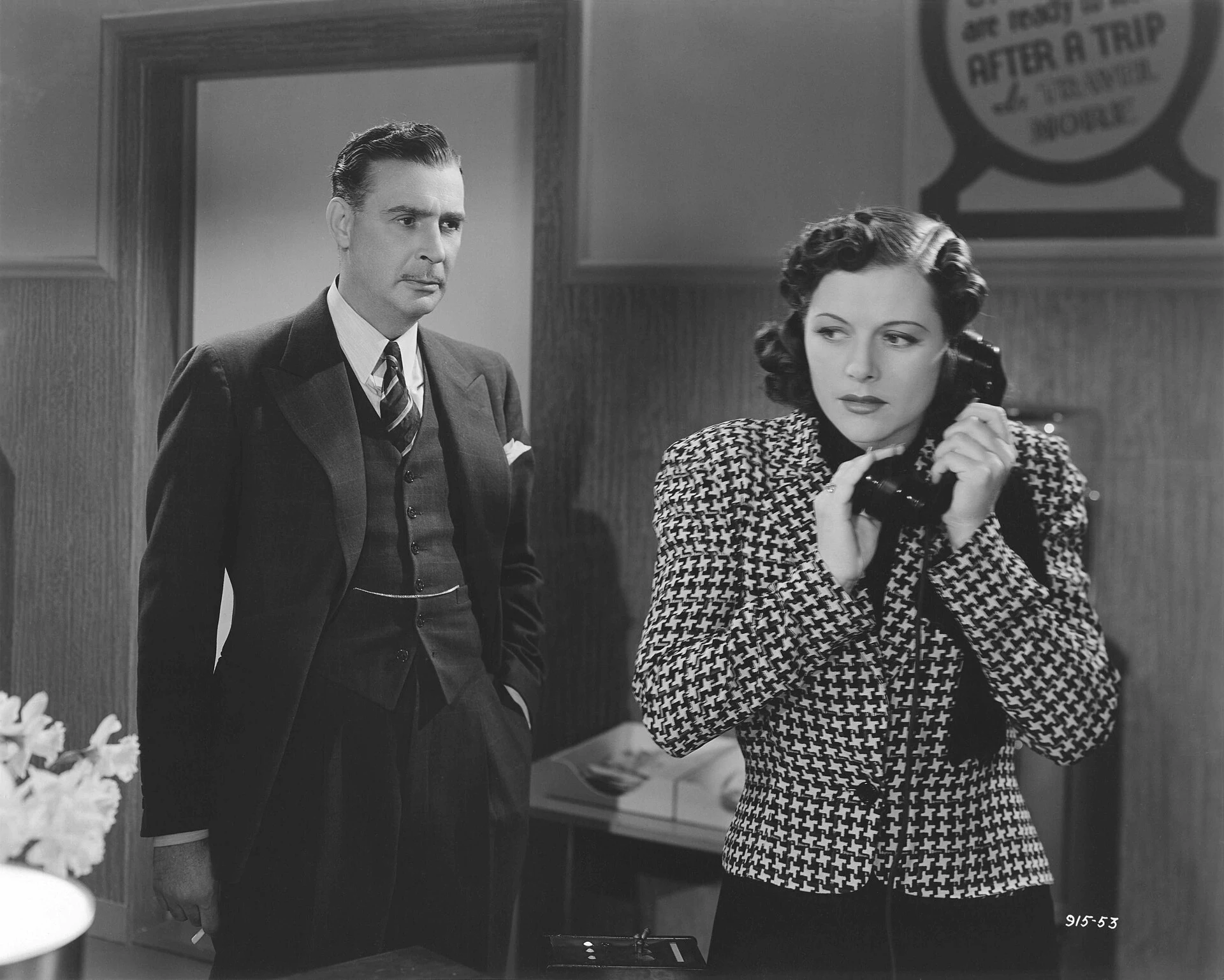
Cape Fear brings together two cinematic adaptations of John D. MacDonald's novel The Executioners: J. Lee Thompson's, released in 1962, and Martin Scorsese's, from 1991. In both, Max Cady, an ex-convict, seeks revenge against Sam Bowden, the lawyer he blames for his conviction, and terrorizes his family. The most concrete comparison lies in form: Thompson's film suggests violence rather than showing it graphically; Scorsese's has been characterized as an ultraviolent remake.
The same rematch, two adaptations
The 1962 film adapts John D. MacDonald's novel with Gregory Peck as Sam Bowden and Robert Mitchum as Max Cady. The 1991 film, directed by Martin Scorsese, reworks the previous film and re-adapts the story: Robert De Niro plays Cady and Nick Nolte plays Bowden.The shared conflict is direct: Cady, released from prison, holds Bowden responsible for his conviction and threatens his family. The narrative thus turns the rematch into a siege of the home and pits the lawyer against the consequences of his decisions. Both films start from that same premise; they do not, however, develop it with identical resources or tone.
The 1962 film: suggesting violence
In Thompson's version, violence is insinuated rather than graphically depicted. Cady's sexual threat is directed at Bowden's wife and daughter, and forms part of the film's suspense. The tension does not depend solely on the confrontation between the two men: it also arises from the danger looming over the family.The staging combines unusual lighting angles and close-ups with unsettling music. These resources accompany a revenge story that, at key moments, weighs the potential of what could happen without showing it explicitly. Mitchum's performance as Cady also became associated with the film's reputation as a suspense thriller.
The 1991 film: a remake characterized by its violence
Scorsese's version maintains the conflict between Cady and Bowden, but its treatment has been characterized as ultraviolent compared to the suspense of the 1962 film. That description allows for distinguishing the general tone of the two works, without turning it into a statement about a specific scene or a detailed analysis of how the film organizes each moment of tension.In 1991, De Niro took on the role of Cady and Nolte that of Bowden. The film also includes brief appearances by Peck, Mitchum, and Martin Balsam, actors linked to the original version. Those appearances connect both productions, although they do not eliminate the difference between their treatments of the story.
The reputation of the first film in 1991
By 1991, Cape Fear had developed a cult following and a reputation as one of the standout suspense films of its decade. At that same time, general audience familiarity remained limited: the assessment published then indicated that most viewers did not know the original film, despite it already circulating on home video and being appreciated by film enthusiasts. That combination helps situate the remake: it resumed a story recognizable to its followers, but not necessarily to the majority of those going to the cinema.What the comparison offers
The common starting point allows for a clear view of the documented difference between the films: the 1962 version suggests violence, while the 1991 version has been described as ultraviolent. The first association directs attention to a threat that remains partially implicit; the second summarizes the more violent character attributed to the remake. It is advisable to maintain the distinction at that level: the available data supports the general contrast, not an exhaustive description of the suspense techniques in Scorsese's film.More than resolving which version is superior, this comparison shows how the same story can preserve its central conflict when passing from one film to another and, at the same time, change the way its treatment of violence is qualified. The Bowden family and Cady's revenge remain the axis; the tonal contrast gives each adaptation a distinct profile.
Key takeaways
- The 1962 and 1991 films adapt The Executioners and share the conflict between Max Cady and Sam Bowden.
- J. Lee Thompson's version suggests violence rather than showing it graphically and employs unusual lighting angles, close-ups, and unsettling music.
- Martin Scorsese's film has been characterized as an ultraviolent remake of the 1962 suspense version.
- In 1991, the original film already had a cult following, although most viewers still did not know it.
Sources and filmography consulted
- Cape Fear (1991 movie) - Simple English Wikipedia, the free encyclopedia - Cape Fear (1991 movie). simple.wikipedia.org. Consulted 12 Nov 2026
- Cape Fear | film by Scorsese [1991] | Britannica. www.britannica.com. Consulted 12 Nov 2026
- Cape Fear - JSTOR. www.jstor.org. Consulted 12 Nov 2026
- Picturing Justice. Scorsese's Cape Fear: The Triumph of .... cap-press.com. Consulted 12 Nov 2026
- CAPE FEAR (1962) – AFI Movie Club | American Film Institute. www.afi.com. Consulted 12 Nov 2026
- Cape Fear — Film overview | Dead Good Reviews. deadgoodreviews.com. Consulted 12 Nov 2026
- Cape Fear | Thriller, Gregory Peck, Robert Mitchum | Britannica - Cape Fear. www.britannica.com. Consulted 12 Nov 2026
- WTF Happened to Martin Scorsese's Cape Fear? - JoBlo Originals. www.joblo.com. Consulted 12 Nov 2026
- Muck Rack | For journalists and public relations - CAPE FEAR, AMERICAN HORROR STORY, Production Designer Jaime Walker McCall. muckrack.com. Consulted 12 Nov 2026
- ‘Cape Fear’ Review (1991) | The Movie Buff. www.themoviebuff.net. Consulted 12 Nov 2026
- Cape Fear (1962) - Trivia - IMDb. s.media-imdb.com. Consulted 12 Nov 2026
- Production Designer Jamie McCall on Crafting the Moss-Covered Chaos at the Heart of “Cape Fear”. www.motionpictures.org. Consulted 12 Nov 2026
- Cape Fear (1991), dir. Martin Scorsese — analysis, influences .... sightlines.media. Consulted 12 Nov 2026
- Cape Fear - Film Review - sketches of time. sketchesoftime.com. Consulted 12 Nov 2026
- The Production Design of ‘Cape Fear’ Hangs Dread in Its Spanish Moss - IMDb - The Production Design of ‘Cape Fear’ Hangs Dread in Its Spanish Moss. www.imdb.com. Consulted 12 Nov 2026
- Cape Fear (1962 film) - Wikipedia - Cape Fear (1962 film). en.wikipedia.org. Consulted 12 Nov 2026
- Cape Fear (1991 film) - Cape Fear (1991 film) | encyclopedia article by TheFreeDictionary. wwwencyclopedia.thefreedictionary.com. Consulted 12 Nov 2026
- ’62 ‘CAPE FEAR’ SCARED UP LITTLE NOTICE - ’62 ‘CAPE FEAR’ SCARED UP LITTLE NOTICE. www.sun-sentinel.com. Consulted 12 Nov 2026
- ‘Cape Fear’: How Scorsese Added Complexity and Humanity to a .... cinephiliabeyond.org. Consulted 12 Nov 2026
