David Robert Mitchell’s film turns a 1982 neighborhood into a dinosaur field to examine the secrets of a dysfunctional family. John Axelrad’s editing and the director’s camera work sustain the tension by linking the cosmic threat with domestic intimacy.
Christophe Gans returns to the franchise twenty years later to adapt Silent Hill 2. We analyze the documented adaptation decisions, the reconfiguration of Pyramid Head, and the critical reception of a film that seeks narrative fidelity but receives divided evaluations.
A premise, a genre convention and a formal choice are different aspects of a film. Connecting them means considering framing, editing, sound and the information in each scene, rather than deducing them from a synopsis or label alone.
A premise, a genre convention and a formal choice are different aspects of a film. Connecting them means considering framing, editing, sound and the information in each scene, rather than deducing them from a synopsis or label alone.
A premise, a genre convention and a formal choice are different aspects of a film. Connecting them means considering framing, editing, sound and the information in each scene, rather than deducing them from a synopsis or label alone.
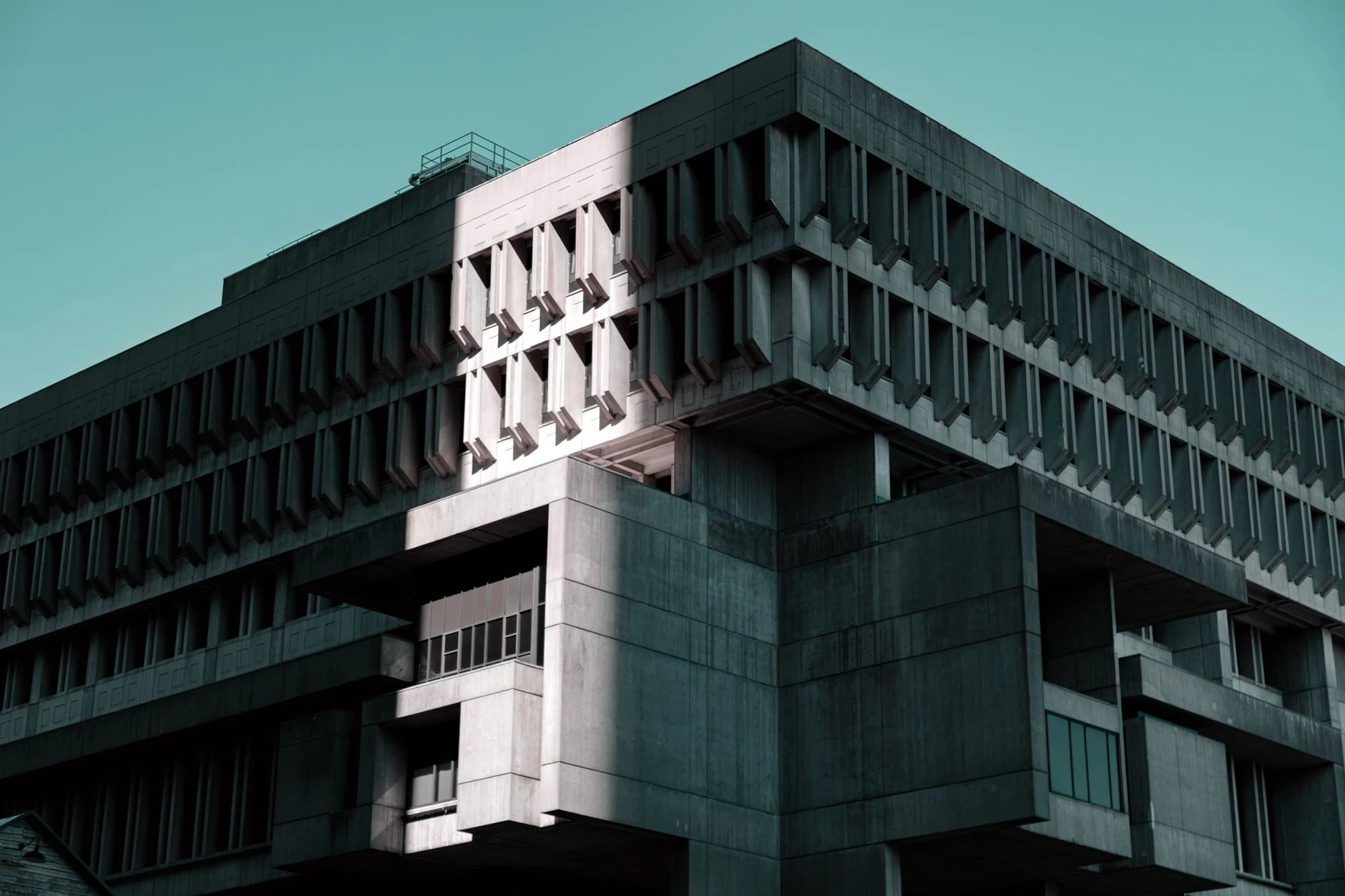
A complete-spoiler rewatch guide for observing how the spaces in The Brutalist distribute work, access, money, light and bodily experience. Architecture matters here, but not as a shortcut: before turning a wall or tower into a thesis, it is worth looking at who designs it, who pays for it, which parts are built and from where it can be seen.
A complete-spoiler guide to revisiting Weapons without reducing it to a single solution: a note-taking method for distinguishing cuts, ellipses, repetitions, shifts in perspective and relationships between image and sound.
Moderate spoiler warning: this guide does not reveal the ending, but it does discuss situations and staging decisions from the middle section. Its proposal is simple: return to Conclave not to reconstruct a chain of secrets, but to follow the permissions, doors and listening points that regulate what the characters and the audience know.
A second-viewing guide to separating what The Substance shows from what it suggests. It does not seek to close off the film’s meaning, but to test readings of the body, the gaze, fame and self-destruction through framing, colour, editing, sound and repetition.
By MovieResort Editorial Team
movieresort.
Less searching. More enjoying cinema.
Editorial team illustration
movieresort.
Cinema, delivered to your inboxFree
Your next great film starts here. For free.
Join MovieResort and receive a selection of cinema worth your time.
Discover what to watchFilms and connections to explore.
No spoilersContext to enjoy every story more.
Thoughtful new readsA selection of our latest articles.