After watching
The End of Oak Street: How disaster seeps through the cracks of a family
David Robert Mitchell’s film turns a 1982 neighborhood into a dinosaur field to examine the secrets of a dysfunctional family. John Axelrad’s editing and the director’s camera work sustain the tension by linking the cosmic threat with domestic intimacy.
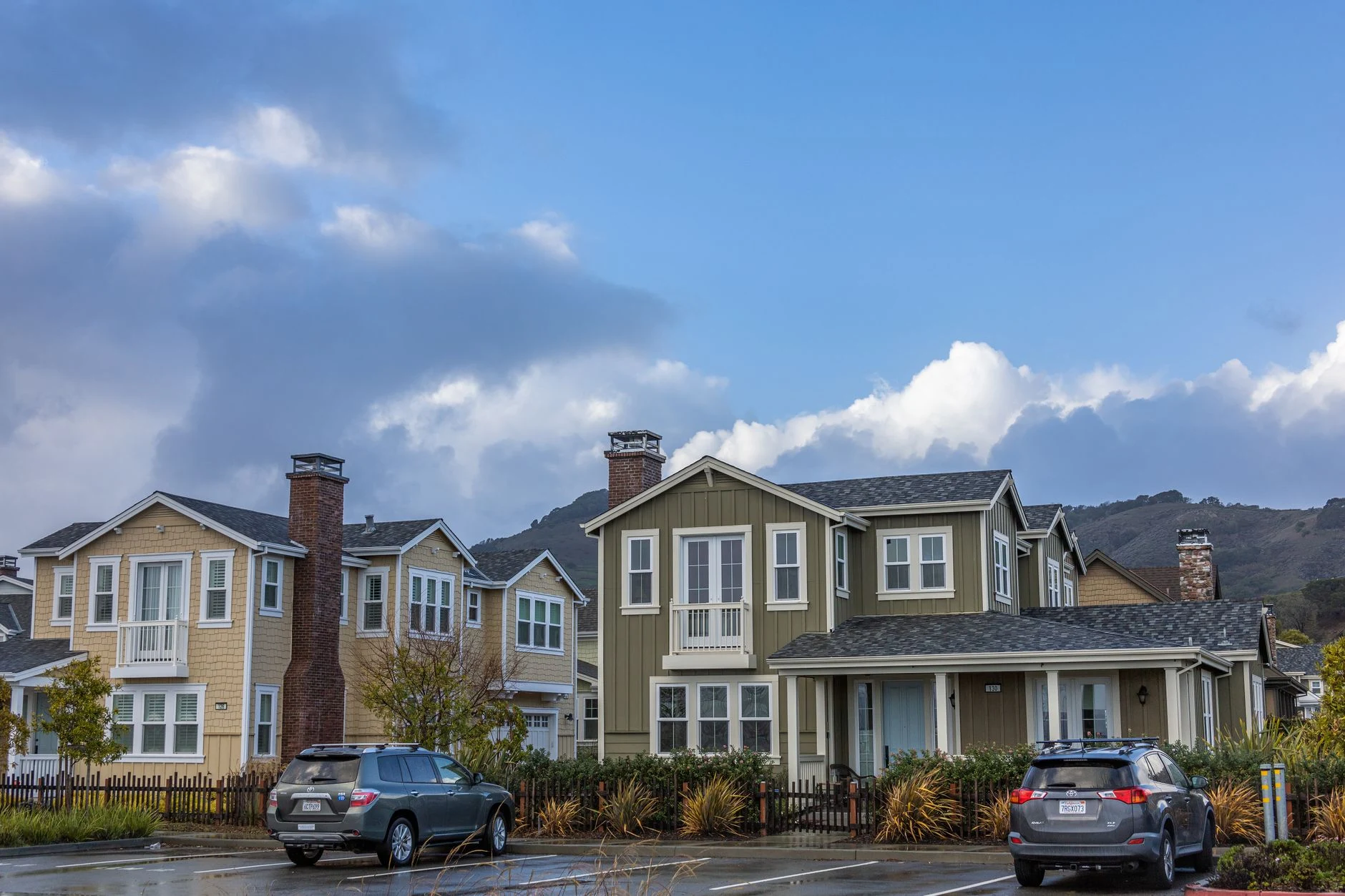
The End of Oak Street (2026) begins with a science fiction and survival premise: a 1982 residential neighborhood is ripped from its context by a cosmic event and transported to the age of dinosaurs. Anne Hathaway, Ewan McGregor, Maisy Stella, and Christian Convery play the Platt family, whose fate depends on staying together in an unrecognizable environment. Written, co-produced, and directed by David Robert Mitchell, the film opened in US theaters on August 14, 2026, via Warner Bros. Pictures, and runs 93 minutes. Its formal and narrative structure articulates the scale of the disaster with family dynamics, an approach the director and editor John Axelrad have described in interviews as the core of the film.
The premise: a neighborhood transported to the past
The film establishes its world before introducing the threat. According to editor John Axelrad, the movie dedicates significant time to configuring the normal suburban environment: a neighborhood party, arguments between spouses, independent children, the father’s pizza delivery job, and an annoying neighbor. This establishing montage serves to anchor the viewer in everyday reality before the fantastic event occurs. Axelrad notes that David Robert Mitchell, coming from a naturalistic sensibility, wanted even more of this configuration because showing real relationships in a real world helps the story. The premise, described in the official synopsis, is that a mysterious cosmic event rips Oak Street from suburbia and transports the neighborhood to an unknown place, where the survival of the Platt family depends on them sticking together.The family as the narrative axis
Editor John Axelrad states that, at its core, The End of Oak Street is about understanding this dysfunctional family and how they come together at the end. Every character in the family keeps a secret from the others. This internal dynamic is the engine of the tension, more so than the mere presence of dinosaurs. Axelrad explains that the film’s point of view is shifting: sometimes it is with Denise (Anne Hathaway), sometimes with Greg (Ewan McGregor), and then with the children Brian (Christian Convery) and Audrey (Maisy Stella). However, Axelrad believes the film comes primarily from Brian’s point of view, a character he considers basically a representation of David Robert Mitchell himself, who wrote the film as a homage to his childhood in the Detroit suburbs. This narrative choice allows the external threat to filter through internal relationships, making the disaster a metaphor for family tensions.Formal resources: camera and editing
David Robert Mitchell uses specific camera choices to create a sense of omniscience. Axelrad highlights that the director loves slow push-ins and slow pans to create an omniscient point of view, which gives the feeling that the house and the neighborhood are also characters. As an editor, Axelrad’s challenge was to combine different tones, styles, and points of view. The film mixes humor, drama, and horror, following four main characters and even the dog, Starbuck. Editing also plays a crucial role in building anticipation. Axelrad describes how he reorganized sequences to increase tension, such as the scene where Greg finally sees a dinosaur and Denise shoots it. He also reordered the appearance of a Titanoboa in the third act to maintain narrative momentum, moving it earlier than scripted to avoid distractions when the family sees the return portal.Production and visual effects
The film was shot in Atlanta, but editing was done remotely from Los Angeles. Production used a 'post viz' process, where stuntmen and their puppets were replaced with temporary visual effects dinosaurs that could interact with actors on screen. This was a challenge for Mitchell, given that the amount of visual effects was overwhelming for a director known for character-driven independent films. Producers, including J.J. Abrams, Hannah Minghella, Jon Cohen, David Robert Mitchell, Matt Jackson, and Tommy Harper, supervised the process. The film was distributed by Warner Bros. Pictures and produced by Bad Robot, Good Fear Content, and Jackson Pictures. The sound mix includes Dolby Atmos and Dolby Digital, and the aspect ratio is 2.39:1.Critical reception
The End of Oak Street received generally positive reviews. On Rotten Tomatoes, it has an 86% critic approval rating (348 reviews) and a 76% audience approval rating. The critical consensus describes it as pulp fun that leverages the primary pleasures of the classic monster movie, delivered with a light touch and a sharp bite. Zachary Lee of RogerEbert.com gave it four out of four stars, praising its combination of family drama, apocalyptic imagery, and dinosaur horror. Richard Roeper of NBC 5 Chicago rated it 3/4, citing influences from Steven Spielberg, M. Night Shyamalan, and Jordan Peele. However, not all reviews were positive. Jeff Beck of The Blu Spot gave it 2.5/5, arguing that the premise is limiting and the characters are underdeveloped. The film has grossed $121.1 million worldwide, against a production budget of between $80 and $92 million.Key takeaways
- The film links the dinosaur threat with the secrets of a dysfunctional family.
- David Robert Mitchell uses slow camera movements and pans to create an omniscient point of view.
- Editor John Axelrad reorganized sequences to maintain tension and narrative momentum.
- Production combined temporary visual effects with live performances in Atlanta.
- The film received positive reviews, with an 86% on Rotten Tomatoes, though opinions were divided on character depth.
Sources and filmography consulted
- The End of Oak Street (2026). letterboxd.com. Consulted 15 Nov 2026
- "THE END OF OAK STREET" - Review. nextbestpicture.com. Consulted 15 Nov 2026
- The End of Oak Street. www.rottentomatoes.com. Consulted 15 Nov 2026
- The End of Oak Street. es.wikipedia.org. Consulted 15 Nov 2026Colaboradores de Wikipedia · The End of Oak Street · CC BY-SA 4.0
- The End of Oak Street feels like David Robert Mitchell .... www.reddit.com. Consulted 15 Nov 2026
- Film Review: The End of Oak Street. www.voicemag.uk. Consulted 15 Nov 2026
- How “The End of Oak Street” Editor John Axelrad Crafted .... www.motionpictures.org. Consulted 15 Nov 2026
- The End of Oak Street – Movie Review | I'm Watching It Again. www.heavenofhorror.com. Consulted 15 Nov 2026
- The End of Oak Street (2026) Review. theactionelite.com. Consulted 15 Nov 2026
- The End of Oak Street (Interview: David Robert Mitchell/JJ .... podcasts.apple.com. Consulted 15 Nov 2026
- The End of Oak Street (2026). www.imdb.com. Consulted 15 Nov 2026
- The End of Oak Street | Official Movie Site | Warner Bros .... www.endofoakstreet.com. Consulted 15 Nov 2026
- The End of Oak Street Review: A Wild & Crazy Ride. mamasgeeky.com. Consulted 15 Nov 2026
- Art of the Cut: The End of Oak Street. borisfx.com. Consulted 15 Nov 2026
- The End of Oak Street. thefilmverdict.com. Consulted 15 Nov 2026
- 'The End of Oak Street' - Review Thread : r/movies. www.reddit.com. Consulted 15 Nov 2026
- The End of Oak Street. en.wikipedia.org. Consulted 15 Nov 2026
- Interview: David Robert Mitchell on The End of Oak Street .... www.theaureview.com. Consulted 15 Nov 2026
- The End of Oak Street (2026) - Movie Review. www.filthyhorrors.com. Consulted 15 Nov 2026
