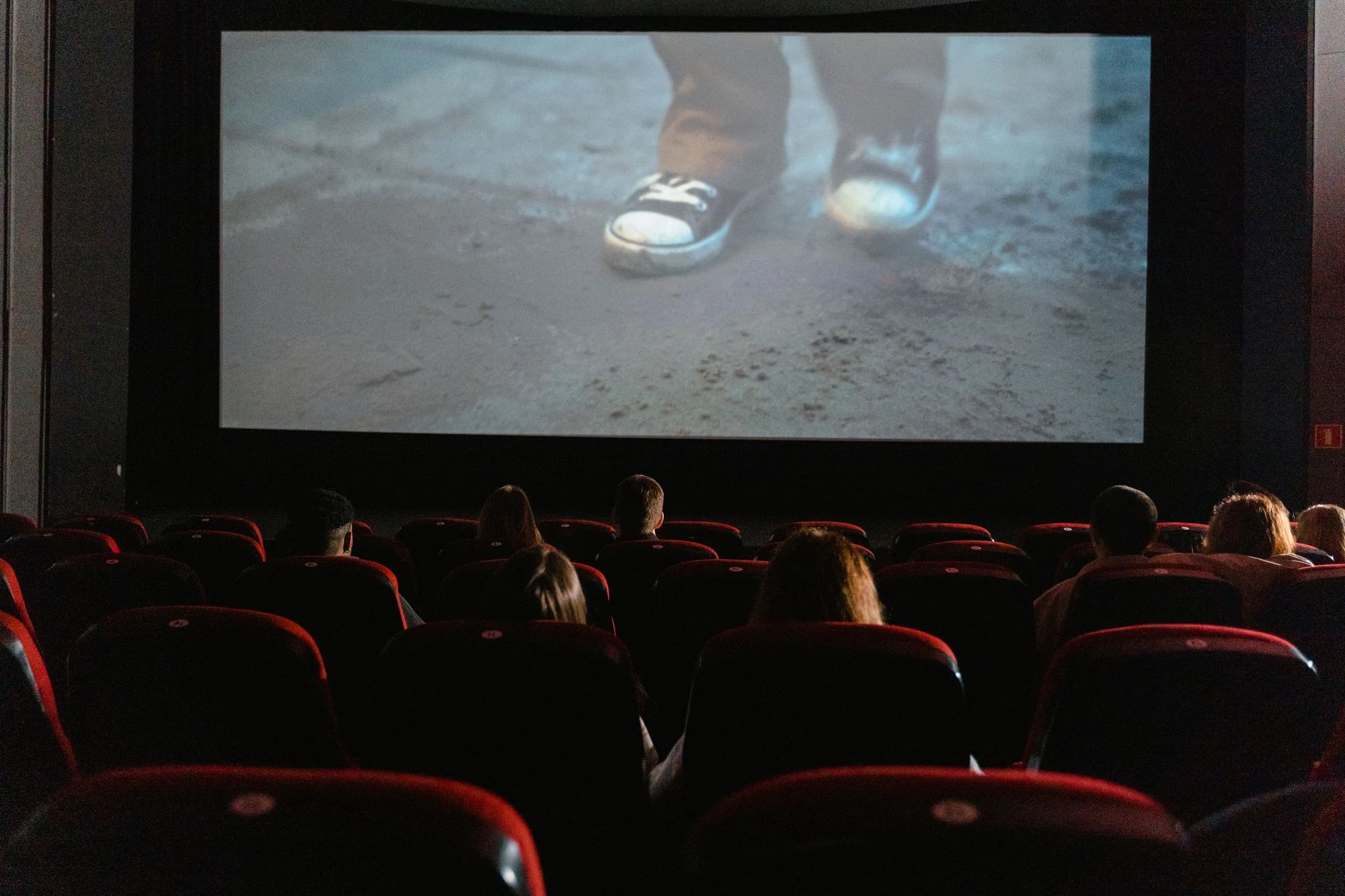
Opening credits arrange names, images, sound and time before the fiction settles into place. Reading them well is not about guessing the plot; it means describing their materials, hierarchy and the precise relationship they establish with the first scene.
“New Hollywood” names a real transformation, but not a uniform emancipation of directors: films moved through producers, executives, contracts, ratings, advertising, festivals and theater bookings. Reading that network makes it possible to assess, case by case, where autonomy existed and where the industry retained it.
A restored print may recover shots, stabilize an image or reconstruct colour; that does not erase the film’s material history or turn every technical choice into transparent truth about its original release.
The same film can reach viewers in more than one legitimate framing, or in a version that has decisively altered its composition. The difference cannot be settled by counting black bars: it requires separating how the film was photographed, projected, transferred and which specific edition is being watched.
The five Dirty Harry films do not form a simple escalation in toughness. They change who controls information, which institution appears as a limit or an accomplice, and Harry Callahan’s place within the frame: investigator, target, public figure or spectacle.
Before looking for a recognizable theme, ask what information the music adds, withholds or shifts. Two contrasting cases—The Village and Michael Clayton—turn that question into a method for a second viewing without assigning the composer what also belongs to editing and the collective work of sound.
Production design does not begin when a set simply “looks good” on camera. It organizes a set of decisions about space, materials, objects, access, construction, budget and time—decisions that then intersect with framing, lighting, costume and performance. This guide proposes a way of looking at that work without turning it into a solitary signature.
The four films in the Warner-produced collection released between 2014 and 2019 do not use LEGO merely as a recognizable surface. They turn the connection, limit and scale of the pieces into a visual grammar: each world decides what can move, what can break and what kind of camera seems capable of looking at it.
A complete-spoiler guide to revisiting Weapons without reducing it to a single solution: a note-taking method for distinguishing cuts, ellipses, repetitions, shifts in perspective and relationships between image and sound.
Comparing a dubbed film with its original track is not a matter of tallying losses and successes. It means attending to several interventions—adaptation, dialogue fitting, vocal performance and sound playback—that alter the relationship between body, language, space and character in different ways.
The so-called Australian New Wave does not name a closed stylistic bloc, nor an Australia that films simply reveal. It poses a problem of reading instead: first attend to the decisions that organise space on screen, then compare them with the industrial, historical and critical mechanisms that circulated certain images as national emblems.
The seven films in the collection do not share a fixed grammar of dreams. Rather, they share a problem: how to make an everyday space stop offering reassurance without allowing the viewer to date the moment of rupture with certainty.
A guide to hearing a score credited to Hans Zimmer without turning a principal credit into a complete explanation or erasing the work of those who orchestrate, program, produce, perform, edit and mix.
New German Cinema was neither a single aesthetic nor a simple alignment of auteurs. Viewing it through its manifestos, schools, funding bodies, television networks, distribution cooperatives and exhibition circuits reveals both its material connections and the profound differences among its films.
A route through the four theatrical Jaws films that pays less attention to the escalating threat than to the circulation of information, the uses of water, and the communities that decide—or decline—to respond.
Charles Chaplin’s credits describe an exceptional degree of involvement, but they are not enough to turn every pause, cut or musical accent into a demonstrable individual decision. A corpus of three films and a comparison of versions make it possible to view the gag as a chain of operations: preparing information, managing the body in space, sustaining or interrupting a shot and, sometimes, altering the film again decades later.
Patricio Guzmán’s so-called Chile Trilogy brings together Nostalgia for the Light, The Pearl Button and The Cordillera of Dreams. It is best watched in that order, but not as a linear account or a total explanation of Chile: it is a series formed gradually, in which landscape, first-person voice, testimony and archival images serve different functions in each film.
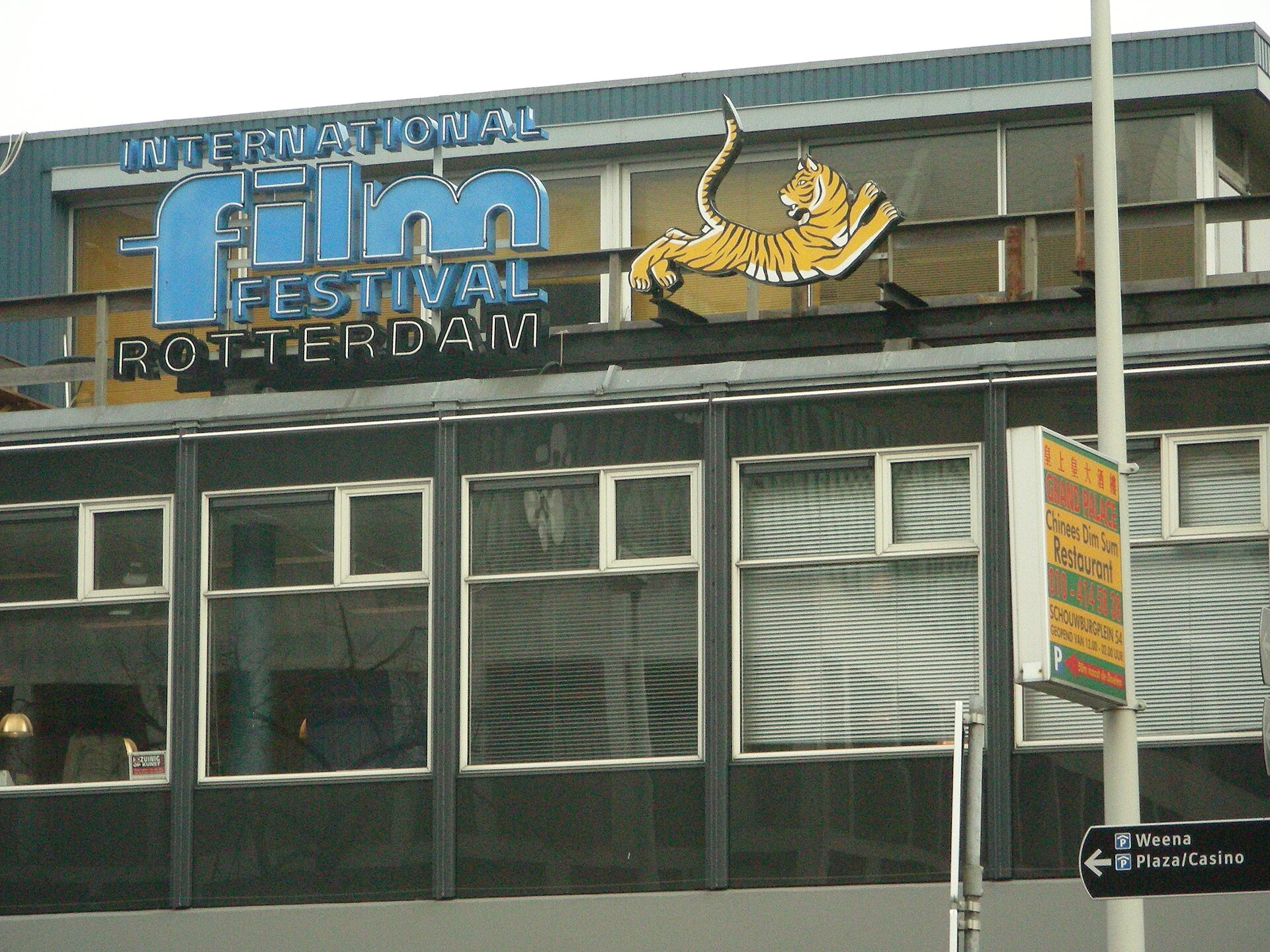
A selection, a screening and a rights acquisition are different events. This guide proposes reading Cannes as a set of verifiable layers, rather than as a shortcut for predicting quality, release dates or availability.
So-called pre-Code Hollywood was not a brief libertine exception between two orderly eras, but a period of existing rules, uneven enforcement, local censorship, religious pressure and business negotiation. This guide proposes watching its films through the ways they organize desire, work, crime and endings.
The label “Warner look” describes a real historical association, but becomes imprecise when it replaces credits, formats and the specific conditions under which films are made. A brief selection from Casablanca to Barbie shows why the studio name is better treated as an industrial question than as an aesthetic answer.
By MovieResort Editorial Team
movieresort.
Less searching. More enjoying cinema.
Editorial team illustration
movieresort.
Cinema, delivered to your inboxFree
Your next great film starts here. For free.
Join MovieResort and receive a selection of cinema worth your time.
Discover what to watchFilms and connections to explore.
No spoilersContext to enjoy every story more.
Thoughtful new readsA selection of our latest articles.