Analysis
Public-Domain Films in the US: A Selection and How to Reuse Them
Four films to study, a route through the Library of Congress archive, and steps for distinguishing an original film from material added in a later edition.
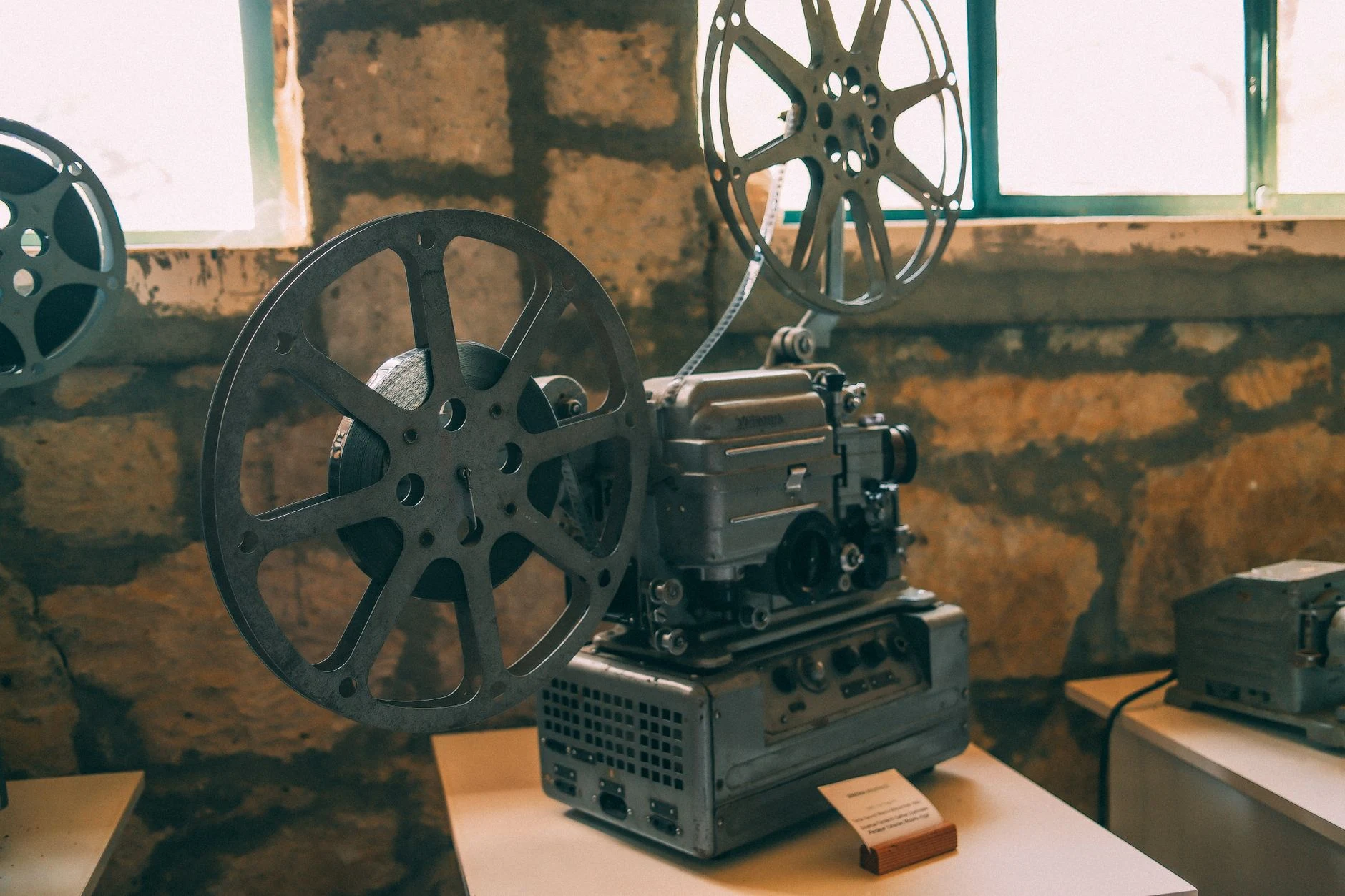
A public-domain film can be used to prepare a class, compare storytelling approaches or build a project from earlier images. The first step is to identify the work and the territory: this guide concerns the United States. On January 1, 2026, works from 1930 entered the public domain, including the four films below. That change applies to the original works; when choosing a file to reuse, you also need to distinguish the film from music and creative contributions that may have been added in a later edition.
Animal Crackers: a starting point with the Marx Brothers
Animal Crackers is among the films that entered the US public domain in 2026. It was directed by Victor Heerman and stars the Marx Brothers. To prepare a classroom activity, one option is to choose a sequence and make separate notes on the characters’ words, gestures and actions. The working question would be how the situation is built from these elements; answers should be grounded in what the chosen copy shows.Keep the timestamps of the excerpts you select and the identifier for that copy. This will let everyone taking part in the exercise find the same passages and discuss specific examples. This is a suggested activity, not a description of particular scenes in the film.
Morocco: a proposal for studying performance and representation
Morocco, directed by Josef von Sternberg, stars Marlene Dietrich, Gary Cooper and Adolphe Menjou. One scene shows Dietrich, wearing a top hat and tails, kissing another woman. The film is among those entering the US public domain in 2026.For a study session, this example can prompt questions about costume, gesture and the representation of desire. Before offering an interpretation, describe the chosen excerpt precisely and separate that description from the conclusions you draw. One possible exercise is to compare two interpretations of the same passage and ask which elements of the image support each one.
All Quiet on the Western Front and The Big Trail: expanding the selection
All Quiet on the Western Front was directed by Lewis Milestone and won the Academy Award for Best Picture. The Big Trail was directed by Raoul Walsh and marked John Wayne’s first leading role. Both appear in the selection of films entering the US public domain in 2026.To work with either film, first define a specific question—for example, how a character is presented or how two spaces relate in a sequence. Then choose excerpts that can help answer it and record their timestamps. The aim is to build an evidence-based argument from viewing the chosen copy, without treating a film’s prestige or a credit as an explanation of its images.
Where to continue: an institutional film collection
The Library of Congress’s online collection Public Domain Films from the National Film Registry brings together a specific selection of public-domain films. Its titles include Within Our Gates, The Hitch-Hiker and Duck and Cover. This is another route for finding material; these examples are not the list of newly public-domain films from 1930 mentioned above, nor do they represent every film in the registry.Start with the institutional collection and choose the title you are interested in. Keep the link to its record and note which version you plan to use. To organize a classroom selection, it is useful to make your own table with the title, institutional link, chosen excerpt and study question. That table is a tool for your project, not a certification of the rights status of any file found on another website.
First step: define the work and the use you need
Public-domain status and free access answer different questions. The former concerns works that are not protected by copyright or whose protection has ended. Being able to access a film on a website describes one form of access; before reusing material, also identify which work and which elements you plan to copy, transform or distribute.Before downloading or editing, make a brief record: the film’s title, the work’s date, the copy’s source, your intended use and the territory. For example, indicate whether you want to show an excerpt in class or incorporate it into a new work. Keeping these details together helps ensure that your check addresses your specific case. The public-domain conclusions in this guide apply only to the United States; do not automatically apply its dates to other countries.
Second step: distinguish the film from a later restoration
For a restoration or reconstruction of an original 1930 film, any new protection that may apply concerns original, creative additions, not pre-existing material. The effort, skill or money involved is not, by itself, enough to create copyright. If a restoration faithfully reproduces the pre-existing film, that reproduction does not, on its own, contain newly protectable material. Being original and creative is a condition of eligibility, not a guarantee that every later edition is protected as a whole.When assessing an edition, distinguish the original film from any added elements identified in the information about that version. Note which part your project needs and what the record says about later contributions. Do not assume that the word “restored” creates new rights in all the footage, or that the original work’s public-domain status settles the status of every creative addition. If the information does not let you distinguish them, leave that question unresolved until it can be clarified before incorporating the element into your project.
Third step: check the music on its own timeline
The music in a film and the film itself may have different copyright terms. If a song was subject to copyright separately before the film, for example, the song would have entered the public domain earlier, when its own 95-year term ended. Conversely, if the song’s copyright was renewed but the film’s was not, the song remained protected after the film entered the public domain. These are different scenarios: the film’s year alone does not tell you which applies.As a working practice, if your excerpt includes music, note which composition or accompaniment the copy uses and whether it is original or a later addition. Look for available information about that music and record what you have been able to confirm about its publication, copyright and any renewals. Keep any unanswered questions separate rather than resolving them with a general “free film” label.
Fourth step: keep a useful record for your project
Keep the records and notes you consulted alongside an identifier for the chosen copy. One practical way to organize your work is to use three columns: original material, possible later additions and usage decision. Add the source link, the date you consulted it and any questions that still need clarification.Before completing the edit or activity, check that the excerpts used come from that copy and that your conclusions concern the same territory. Include an identifiable reference to the film and its source so others can find it. This record helps explain your selection and revisit it if you use a different version. Your decision should be based on the characteristics and information for the specific materials, not just on a search engine labeling them free.
Key takeaways
- The four suggested films are among those that entered the US public domain in 2026.
- Choose a film based on a study question, and keep the copy’s identifier and the excerpts’ timestamps.
- For a restoration, distinguish pre-existing material from original, creative additions: technical effort alone does not create copyright.
- When checking music, consider its own copyright and any renewals, as well as the film’s.
- Record the source, version, intended use and territory before incorporating material into your project.
Sources and filmography consulted
- Public Domain Day 2026 - Center for the Study of the Public .... cspd.law.duke.edu. Consulted 17 Nov 2026
- Public Domain Films from the National Film Registry. www.loc.gov. Consulted 17 Nov 2026
- What is Copyright? | U.S. Copyright Office. www.copyright.gov. Consulted 17 Nov 2026
