Film history
Sense and Sensibility (2026): Georgia Oakley’s adaptation and its approach to Austen
Georgia Oakley’s new adaptation of Jane Austen’s novel centers on the bond between Elinor and Marianne Dashwood, using naturalistic visuals and a late-1790s setting to bring the story to a contemporary audience.
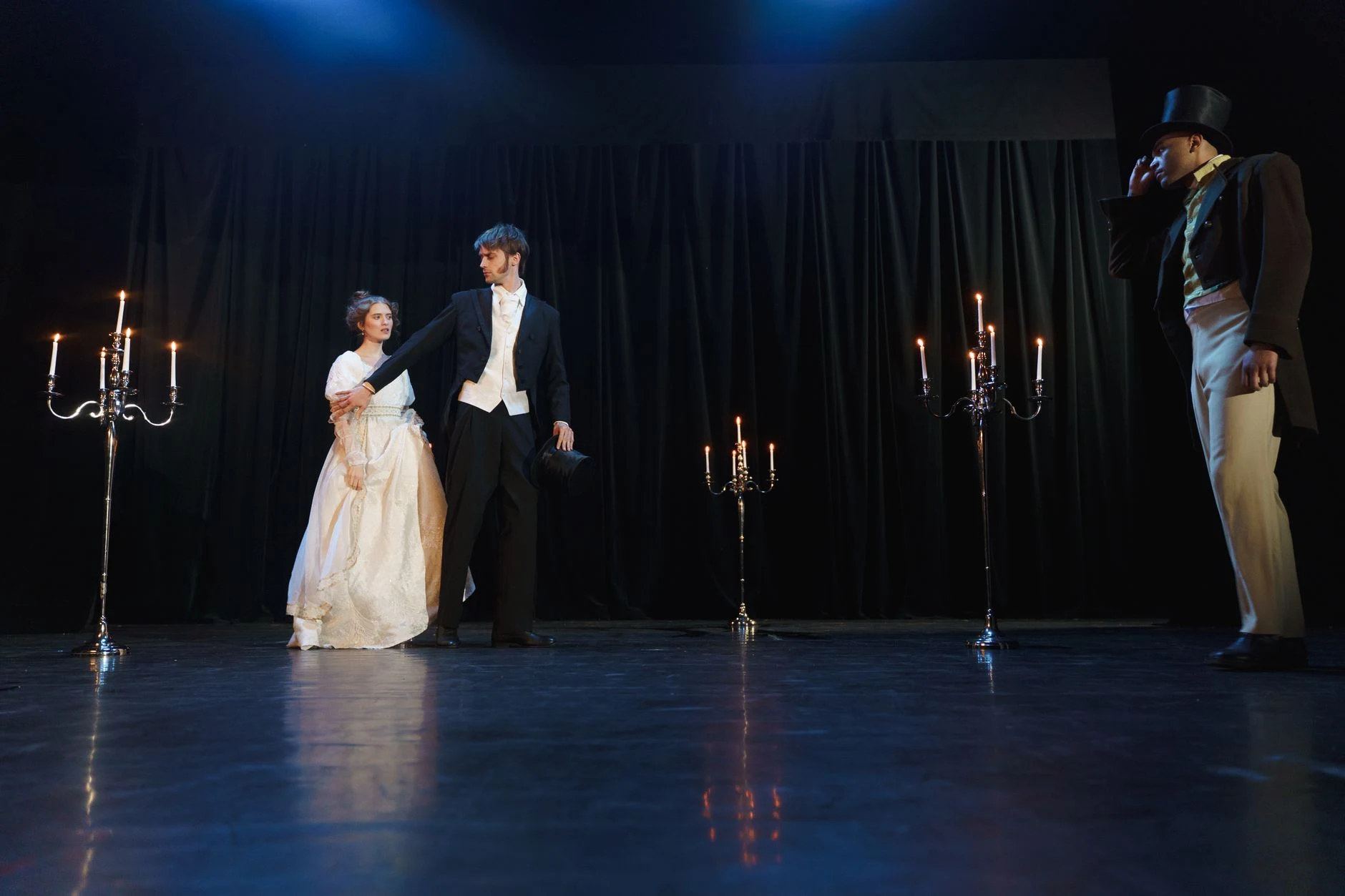
Georgia Oakley’s 2026 adaptation of Jane Austen’s Sense and Sensibility brings the story of the Dashwood sisters to the screen with a focus on sisterhood, naturalistic visuals, and a late-1790s setting.
A new interpretation of Austen’s world
Georgia Oakley’s adaptation of Jane Austen’s Sense and Sensibility is directed by Oakley and written by Diana Reid. The film stars Daisy Edgar-Jones as Elinor Dashwood and Esmé Creed-Miles as Marianne, with George MacKay as Edward Ferrars, Caitríona Balfe as Mrs. Dashwood, Frank Dillane as Willoughby, Herbert Nordrum as Colonel Brandon, and Fiona Shaw as Mrs. Jennings. The production is produced by Tim Bevan and India Flint, with music by Roger Goula, cinematography by Arnaud Potier, production design by Francesca di Mottola, and costumes by Grace Snell.Oakley has described the film as a fresh interpretation of Austen’s first novel, drawn to the fact that the fundamental contradictions surrounding what it means to be a young woman have not changed as much as might be expected in the 200 years since the novel was written. She stated that she was not interested in remaking Austen because she felt the author needed updating for a modern audience, but rather wanted to make the film because she believes Austen already understood something that remains remarkably contemporary: the tension between the lives young women want for themselves and the lives society makes materially possible for them.
The film is set in the late 1790s, a transitionary period for fashion, and uses natural dyes and shared garments to convey the Dashwood sisters’ reduced circumstances. The production was shot on film, with a visual language that Oakley and Potier described as naturalistic, intimate, and earthy, aiming for a lived-in quality rather than a polished or idealized version of the Regency period.
Casting and the heart of the story
Oakley has stated that the heart of the story is the relationship between Elinor and Marianne, describing their bond as complicated, intense, and often exasperating, but underpinned by an unwavering devotion to one another. She said she wanted to bring that relationship to the forefront of the film and capture the beauty, complexity, and volatility of a love that is fundamental to the sisters’ lives.Casting began with Daisy Edgar-Jones as Elinor, whom Oakley admired for her quiet power and ability to convey restraint that can give way to force. Esmé Creed-Miles was cast as Marianne after an audition that surprised Oakley with a completely different interpretation of the character. The two actresses had worked together before, and Oakley noted that there was already a palpable sisterly affection between them when they were brought together for the first time.
George MacKay was cast as Edward Ferrars, a role he approached without having read the novel or seen any previous adaptations. Caitríona Balfe was cast as Mrs. Dashwood, a role Oakley wanted to feel almost like another sister, historically plausible given the character’s relative closeness in age to Colonel Brandon. Frank Dillane was cast as Willoughby, bringing a playfulness that matched Esmé Creed-Miles’s energy and an empathy that refused to play the character as a straightforward villain. Herbert Nordrum was cast as Colonel Brandon, bringing a soulful gentleness and quiet wisdom to the role.
Creating the film’s world
The film’s visual language was developed through a close collaboration between Oakley, cinematographer Arnaud Potier, and production designer Francesca di Mottola. They aimed for a naturalistic, intimate, and earthy imagery, shooting on film to create a lived-in quality that felt tactile and human rather than overly polished or idealized. The softness of the image was important, but so was its texture, with the goal of creating a world that felt as though it existed beyond the frame, with all the imperfections and subtleties that come with real life.The locations were chosen to resist the temptation to romanticize the period. The cottage chosen for Barton was little more than an abandoned stone shell, riddled with mold, but it had the qualities Oakley was looking for: an authentic coastal home of the period, where damp lingered in the walls, salt blew in from the sea, and clothes rarely had the chance to dry properly. Norland needed to feel lived in and much loved, but not particularly well maintained, carrying the traces of family life rather than feeling like a pristine country-house fantasy.
Costume designer Grace Snell worked with Oakley to create a sense of intimacy and a slightly looser, more unbuttoned version of the period. The clothes were designed to feel lived in, personal, and practical, rather than like costumes put on for the benefit of the camera. A wardrobe was built for each character in which garments could be shared between the sisters, altered, and reworked throughout the film, allowing the material reality of their reduced circumstances to become part of the storytelling. The costumes were kept as naturalistic as possible, using natural dyes and avoiding patterns wherever possible, with color and cut used to communicate the different social and economic positions of the characters.
Music and the emotional life of the film
Composer Roger Goula created the film’s score, a process Oakley described as stepping into the unknown together, as Goula had not scored a period film like this before. Oakley did not want the score to simply announce the period or tell the audience how to feel, but rather to have an emotional life of its own, something that could sit alongside the performances without overwhelming them.During the shoot, Goula began composing a series of sketches inspired by watching the rushes. These were not written for particular scenes, which gave them a rawness and spontaneity. They were responses to the material rather than pieces designed to fulfill a specific narrative function, and many of those early sketches eventually found their way into the final score. One piece, in particular, became a kind of starting point for Oakley: the sketch she eventually used during the sequence in which the Dashwoods leave Norland. The fragility and emotional directness of the strings in that piece resonated with her, and she felt it marked the beginning of the film’s musical language.
The overall look and palette of the film developed through a close collaboration between Potier, di Mottola, and Oakley, with the goal of creating a coherent world while still allowing each location and character to have its own distinct atmosphere. The visual language was intended to serve the emotional life of the film rather than simply illustrate the period.
A film for a contemporary audience
Oakley has stated that every generation finds its own Austen, and that this film is simply hers. It is not a definitive statement, nor an attempt to correct the record once and for all, but an offering: her attempt to sit with the story, to feel its anger and tenderness, its contradictions, and its moments of unexpected joy. She hopes audiences come away feeling that Austen is not a distant or ornamental figure, safely contained within the past, but a writer full of questions about the world we inhabit.The film’s understanding of love, money, power, family, and the limits placed on women’s lives still has the capacity to unsettle and move audiences. Oakley hopes people feel the force of the relationship between Elinor and Marianne: the idea that love is not always graceful or uncomplicated, but can be difficult, demanding, and utterly essential.
The production team has discussed the process of bringing Austen to a contemporary audience, focusing on sisterhood, teasing out modern dating parallels, and exploring relatable characters and timeless themes of first love and heartbreak. The film is presented as a new lens through which to view the story, one that aims to open up the world of Jane Austen to the next generation.
Key takeaways
- The film is directed by Georgia Oakley and written by Diana Reid, with Daisy Edgar-Jones and Esmé Creed-Miles as Elinor and Marianne Dashwood.
- The adaptation is set in the late 1790s, a transitionary period for fashion, and uses natural dyes and shared garments to convey the Dashwood sisters’ reduced circumstances.
- Oakley describes the bond between Elinor and Marianne as the novel’s most profound love story, central to the film’s emotional core.
- The film was shot on film with cinematographer Arnaud Potier, aiming for a soft, painterly quality that feels lived-in and emotionally grounded rather than polished.
- The production includes contributions from composer Roger Goula, production designer Francesca di Mottola, and costume designer Grace Snell, each shaping the film’s world and emotional tone.

Sources and filmography consulted
- Sense and Sensibility 2026: Daisy Edgar-Jones encabeza el .... actualidadvirtual.com. Consulted 2 Oct 2026
- Sense and Sensibility (2026) with Daisy Edgar Jones. www.youtube.com. Consulted 2 Oct 2026
- 'Sense and Sensibility': llega el primer tráiler de la nueva .... www.infobae.com. Consulted 2 Oct 2026
- Sense and Sensibility (película de 2026). es.wikipedia.org. Consulted 2 Oct 2026Colaboradores de Wikipedia · Sense and Sensibility (película de 2026) · CC BY-SA 4.0
- Sentido y sensibilidad (2026). www.filmaffinity.com. Consulted 2 Oct 2026
- How the Director of Sense and Sensibility Rediscovered the Beauty of Jane Austen’s World. www.focusfeatures.com. Consulted 7 Nov 2026
- Llega el tráiler de 'Sentido y sensibilidad', la nueva adaptación .... www.instagram.com. Consulted 2 Oct 2026
- Sentido y sensibilidad (2026). www.imdb.com. Consulted 2 Oct 2026
- The Official Sense and Sensibility Podcast - Season's Savings | $0.99/mo for 3 months. www.audible.com.au. Consulted 7 Nov 2026
- La nueva adaptación de 'Sentido y sensibilidad', basada .... www.instagram.com. Consulted 2 Oct 2026
- The Filmmakers Podcast - Filmmakers, welcome back to the podcast. podcasts.apple.com. Consulted 7 Nov 2026
- Sense and Sensibility - Apple TV. tv.apple.com. Consulted 2 Oct 2026
- Tráiler de la nueva adaptación de Sentido y Sensibilidad. www.mubis.es. Consulted 2 Oct 2026
