Film history
Soviet cinema: a history marked by politics and circulation
Between 1922 and 1991, Soviet cinema encompassed films made in a state whose political history also influenced its development and reception in Spain. This trajectory does not turn its works into a single aesthetic.
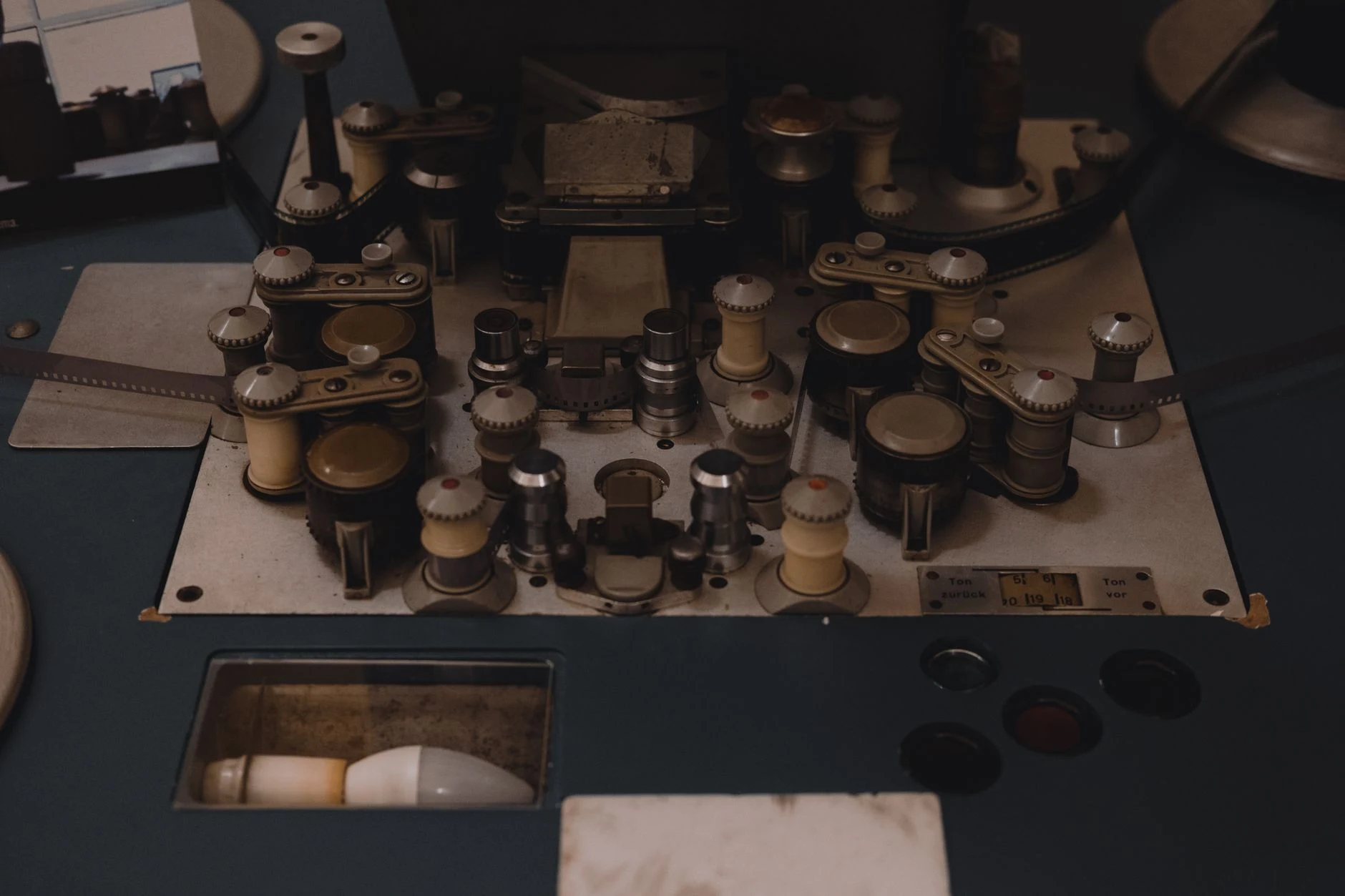
Soviet cinema covers the films and cinematic practices of the Soviet Union between 1922 and 1991. Its history is best understood by distinguishing two levels: the political importance attributed to cinema in its early years and the political and commercial conditions that influenced its development and circulation in Spain. Neither of these factors, on its own, describes the form of all the films.
A historical framework, not a single aesthetic
The term “Soviet cinema” places the films in the Soviet Union and in a period running from 1922 to 1991. It is a useful historical delimitation, but it is not enough to define a common style: the date and the national scope do not prove that all the works share the same narrative, theme or visual form.The political importance of cinema in its early years
In the early years of Soviet cinema, the medium was linked to political and educational projects. A study on that period records the well-known assessment by Lenin of cinema as the most important of the arts. The statement helps explain the relevance that was attributed to it, but it does not allow the conclusion that all the films responded in the same way to a single political intention.A reception conditioned by two political histories
The trajectory of Soviet cinema in Spain was conditioned by the political history of Spain and of the Soviet Union, as well as by commercial difficulties. This combination helps understand why international circulation cannot be separated from the relations between countries and from market conditions. The scope of those factors changes from case to case; it does not by itself fix a complete chronology of exhibition or explain the reception of each film.How to read the label
The idea that the anti-individualist ideology of the socialist revolutionaries marked many Soviet films points to a trend, not to a rule without exceptions. It is worth keeping that nuance: it can help interpret specific works, but it does not replace the analysis of each one, nor does it authorize treating the entire Soviet filmography as uniform. To move from a general characterization to a history of production or circulation, specific data on the films and their trajectories are needed.Key takeaways
- The term “Soviet cinema” refers to films and cinematic practices of the Soviet Union between 1922 and 1991.
- The political importance attributed to cinema in its early years provides context, but does not uniformly define all the films.
- In Spain, the trajectory of Soviet cinema was conditioned by the political histories of both countries and by commercial difficulties.
- Generalizations about ideology or style describe trends; they do not replace the analysis of specific works.

Sources and filmography consulted
- ENTRE CAMARADAS | La Comida en el Cine. Episodio 27. www.youtube.com. Consulted 12 Nov 2026
- 🎞Te compartimos esta breve cronología del cine hecho en .... www.facebook.com. Consulted 12 Nov 2026
- La Historia a Través del Cine: La Unión Soviética .... www.studocu.com. Consulted 12 Nov 2026
- La historia a través del cine : la Unión Soviética - Dialnet. dialnet.unirioja.es. Consulted 12 Nov 2026
- La historia a traves del cine La Union Sovietica. dokumen.pub. Consulted 12 Nov 2026
- El primer cine soviético y la educación de masas. revistas.usal.es. Consulted 12 Nov 2026
- Cine soviético y dialéctica de Estados. www.nodulo.org. Consulted 12 Nov 2026
- Cine soviético - Wikipedia, la enciclopedia libre. es.wikipedia.org. Consulted 12 Nov 2026
- Recepción del cine soviético en España: una historia entre .... www.scielo.org.co. Consulted 12 Nov 2026
- historia a traves del cine:union sovietica. www.margenlibros.com. Consulted 12 Nov 2026
