Craft and technique
Editing as a Research Tool: How Editors Build Film Coherence
Editing is not merely joining shots but actively constructing time, space, and narrative coherence. This analysis examines how editing organizes information and manages rhythm, distinguishing between observable formal decisions and attributed authorial intent in the creative process.
Content prepared with AI assistance and documented automated checks. This does not imply human review or first-hand viewing. Editorial methodology
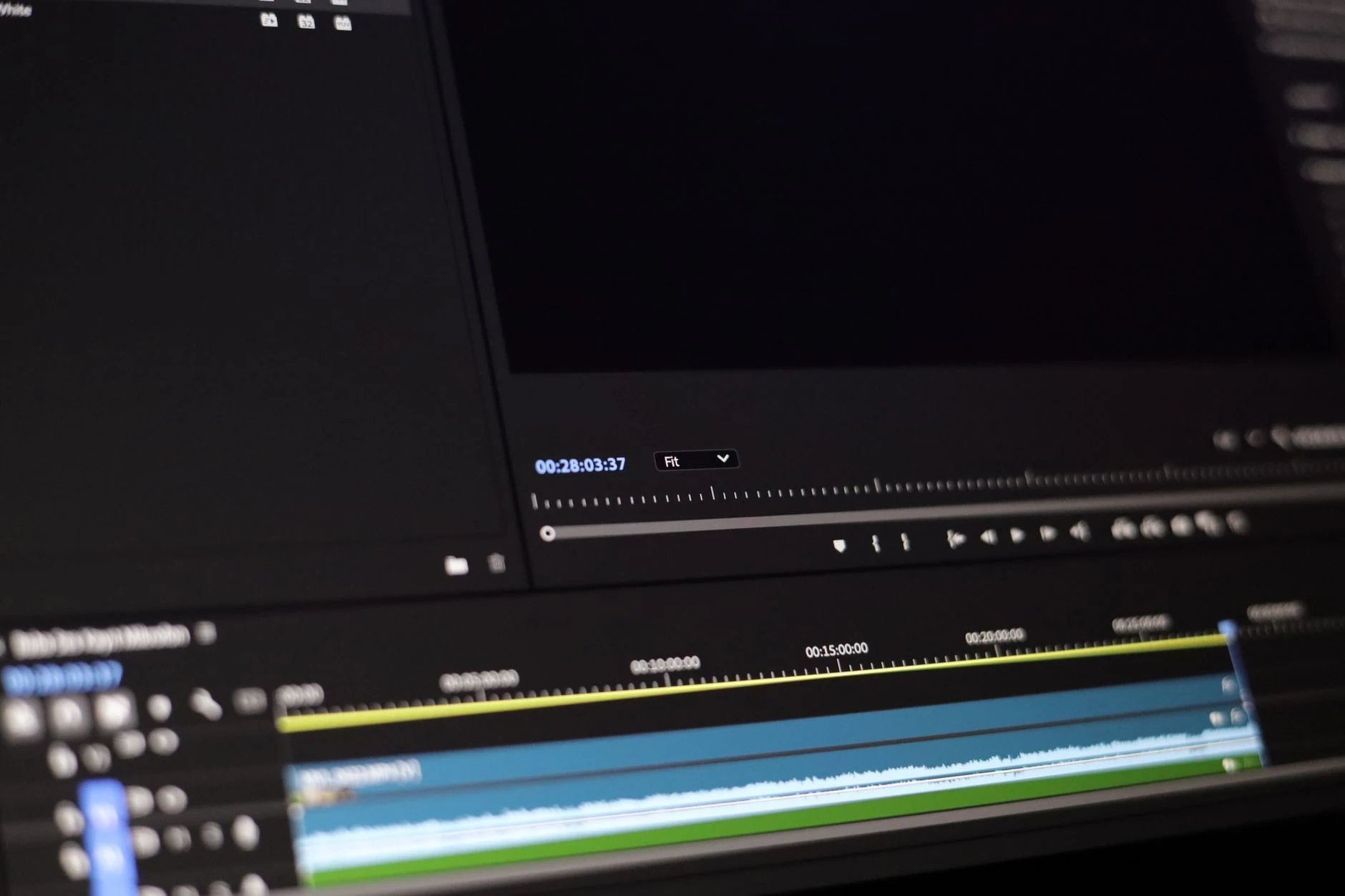
In film production, the editor acts as an invisible architect who transforms recorded material into a coherent experience. More than a technical operation, editing organises information, manages time and establishes rhythm. This article explains those functions in general terms and distinguishes observable choices from intentions that cannot be attributed without specific documentation.
Defining Editing: Beyond the Cut
Cinematic editing is defined as the process of selecting, organizing, and joining filmed shots to construct a coherent narrative. It is not limited to the physical connection of scenes but manipulates the rhythm, tension, and atmosphere of the film. Through this discipline, the editor shapes the viewer's experience, determining how time and space are perceived within the work. This function goes beyond the simple execution of a script, becoming a fundamental creative phase where the internal logic of the story is established.Constructing Time and Narrative Coherence
One of the primary functions of editing is the construction of the narrative curve and the cinematic story. The editor decides what information is revealed and when, creating a strategy of omniscience and tension that guides the viewer. Editing theory distinguishes between different units of time, such as the shot, the scene, and the sequence, each with a specific weight in the work's coherence. By ordering these elements, the editor does not just tell a story but investigates the possibilities of its representation, adjusting the rhythm so that the film functions as an organic whole.Formal Decisions and the Attribution of Authorial Intent
Distinguishing between observable formal decisions and authorial intent is a key challenge in editing analysis. While cuts and rhythm are measurable and visible elements, the motivation behind each choice is often attributed to the director or editor without explicit documentation. Independent critical sources and academic studies help contextualize these decisions, but it is important to avoid turning editing credits into a complete description of the creative process. Rigorous analysis must focus on what the film formally shows, using production documentation only as a reference framework, not as an absolute truth about the creator's intent.The Editor as a Researcher of Form
Editing is conceived as a key tool in the construction of audiovisual narratives and the generation of meaning. In this sense, the editor acts as a researcher who experiments with form to find the most suitable coherence for the material. This process involves constant review and adjustment, where creativity serves narrative clarity. Automation and new technologies have changed the tools, but not the essence of this work: the search for an order that gives meaning to the visual and sonic experience. The editor, therefore, is not just a technician but a co-creator who defines the formal identity of the film.Key takeaways
- Editing is a creative process that organizes time, space, and emotions, not just a technical task of joining shots.
- Narrative coherence is built through the management of information and rhythm, decisions that define the viewer's experience.
- It is crucial to distinguish between observable formal decisions in the film and attributions of authorial intent that may not be documented.
- The editor acts as a researcher of form, using editing to find the internal logic and meaning of the work.
Sources and filmography consulted
- Perspectivas sobre la automatización y la creatividad en .... revistas.unav.edu. Consulted 23 Oct 2026
- ANÁLISIS DEL MONTAJE AUDIOVISUAL DE LA .... repositorio.upn.edu.pe. Consulted 23 Oct 2026
- Fundamentos+teóricos+de+la+edición+y+el+montaje+ .... innovacionumh.es. Consulted 23 Oct 2026
- artefactofilms.com. artefactofilms.com. Consulted 23 Oct 2026
- Montaje cinematográfico: técnicas y consejos - IED Madrid. www.ied.es. Consulted 23 Oct 2026
- El montaje: cuando una historia se une cortando. openaccess.uoc.edu. Consulted 23 Oct 2026
- La investigación sobre montaje cinematográfico en Web of .... revistas.ucm.es. Consulted 23 Oct 2026
- alfonsosuarez.es. alfonsosuarez.es. Consulted 23 Oct 2026
- Vista de Sobre la enseñanza del montaje cinematográfico. revistas.intec.edu.do. Consulted 23 Oct 2026
- Lec001 ¿Qué es el montaje? (umh3602 2015-16). www.youtube.com. Consulted 23 Oct 2026
- El montaje en el cine - TAI Arts. taiarts.com. Consulted 23 Oct 2026
- Análisis del lenguaje y montaje cinematográfico y su .... runas.religacion.com. Consulted 23 Oct 2026
