
Animal Farm returns in a BFI 4K restoration on 23 November
The BFI releases a stunning 4K restoration of John Halas and Joy Batchelor’s 1954 animated feature, Animal Farm, on UHD and Blu-ray on 23 November 2026.
Criticism, analysis and context with named authors, review and visible sources.
The BFI releases a stunning 4K restoration of John Halas and Joy Batchelor’s 1954 animated feature, Animal Farm, on UHD and Blu-ray on 23 November 2026.

Screenings took place in Copenhagen in 1896, and Denmark was producing films by 1897. The difference between these two milestones helps situate the beginnings of Danish cinema without confusing exhibition with production.
By MovieResort Editorial Team
The 71st Valladolid International Film Week took place from October 23 to 31. Its structure combined an official competition, out-of-competition screenings, and a market centered on distribution and exhibition.
By MovieResort Editorial Team
Since the 1920s, Lebanese cinema has functioned as a production and distribution hub in the Arab world. This history examines how institutions, the civil war, and transnational networks shaped a cinema that cannot be reduced to a single national label.
By MovieResort Editorial Team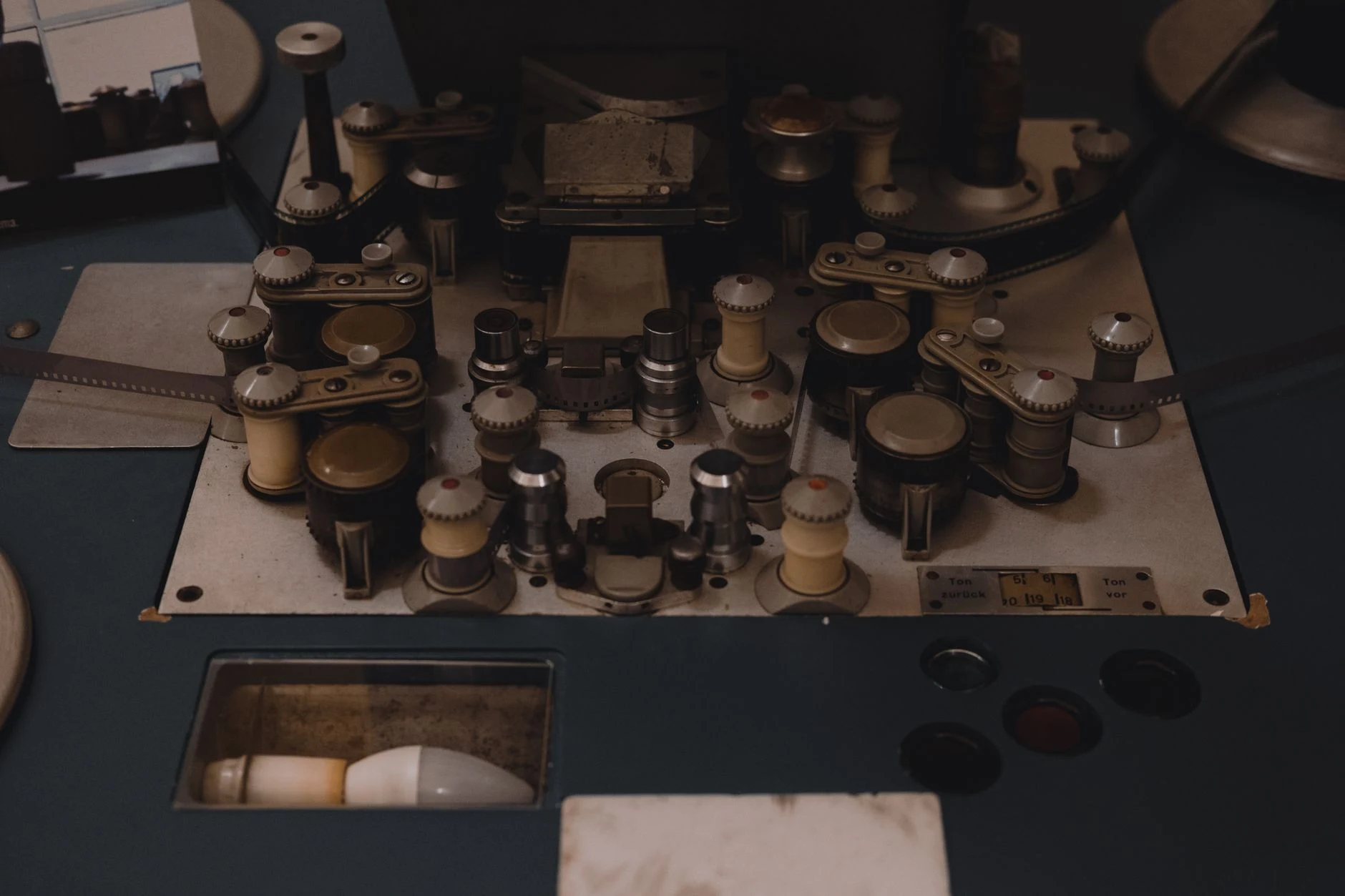
Between 1922 and 1991, Soviet cinema encompassed films made in a state whose political history also influenced its development and reception in Spain. This trajectory does not turn its works into a single aesthetic.
By MovieResort Editorial Team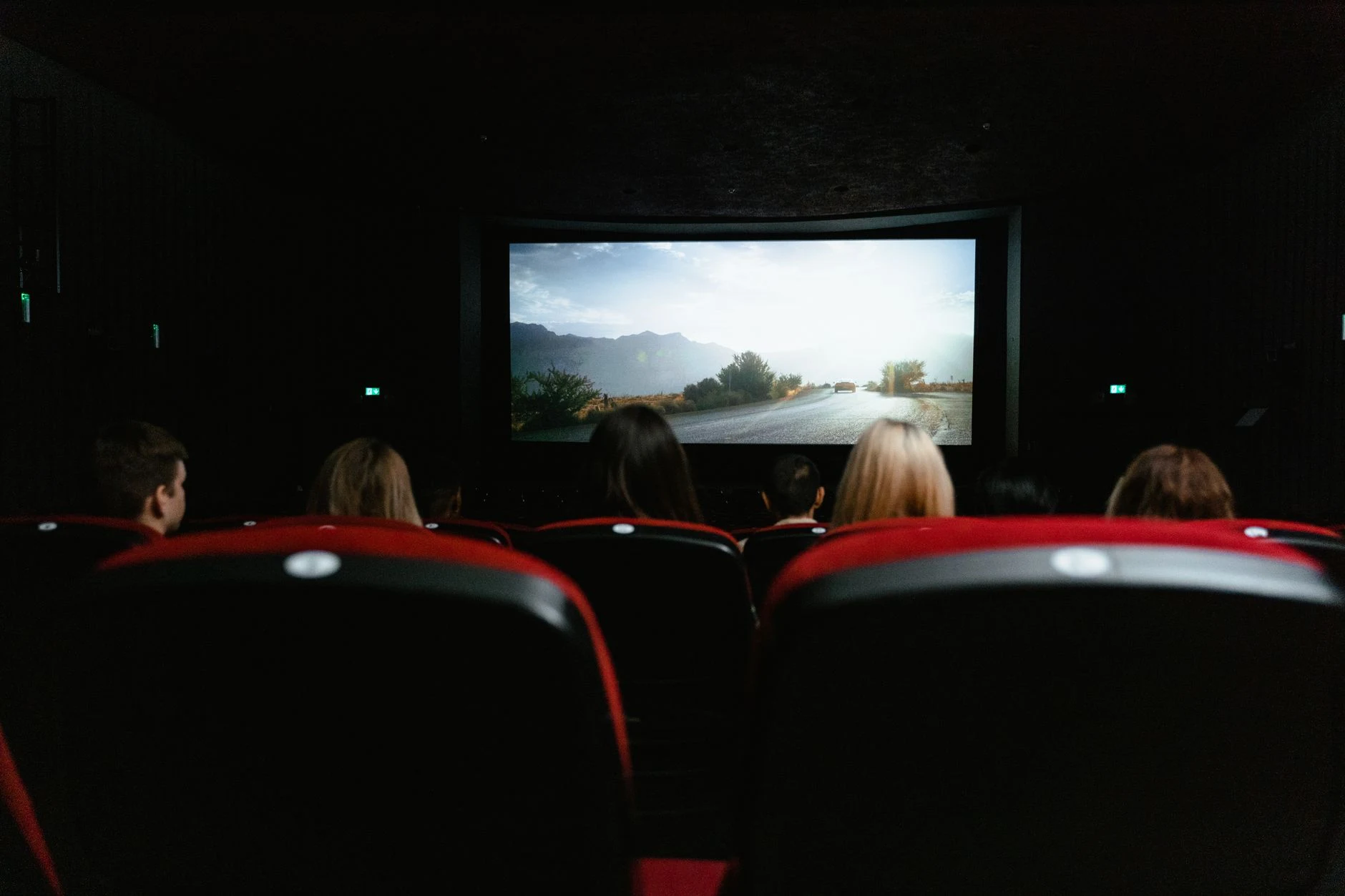
The Disney and Pixar film’s rerelease marked its 20th anniversary. It was announced for October 16, with tickets on sale for cinema screenings.
By MovieResort Editorial Team
From 1896 to the crisis of the 1980s, the Brazilian film industry went through stages of industrialization, state agencies, and co-production programs. This trajectory helps explain why its history cannot be reduced to a single national label.
By MovieResort Editorial Team
Local production coexisted for decades with screens dominated by imported films. The support approved in 1962 and the rise of an independent cinema in the 1960s and 1970s help explain a history that does not fit into a single national aesthetic.
By MovieResort Editorial Team
The versions by J. Lee Thompson (1962) and Martin Scorsese (1991) adapt The Executioners and pit Max Cady against Sam Bowden. They share the core narrative but differ in how they represent the threat.
By MovieResort Editorial Team
Cinema of Unease turned discomfort into a key for reading the country's cinema; Heperi Mita's response reminds us that no single formula can encompass a national history on its own.
By MovieResort Editorial Team
The label 'Colombian cinema' conceals a complex network of incentive laws, transnational co-productions, and festival circuits. This analysis reconstructs the country's productive history from 1905 to the present, distinguishing between national production, institutional support, and the attraction of foreign capital.
By MovieResort Editorial Team
Village Roadshow Pictures shared film production and financing with major studios. Its agreements with Sony and Warner Bros., and Alcon’s 2025 transaction, explain the distinction between investment, a film library and distribution.
By MovieResort Editorial Team
Since 1895, Gaumont has maintained an industrial identity spanning equipment manufacturing, fiction production and distribution. This analysis distinguishes the historic company from today’s corporate structure and the specific roles credited to Gaumont on films from different periods.
By MovieResort Editorial Team
The history of Greek cinema is understood through its support institutions, the laws that defined its funding, and the co-production networks that enabled its works to reach European festivals and markets.
By MovieResort Editorial Team
The label 'Finnish cinema' obscures a complex industrial reality. From Erkki Karu's studios to pioneering film education, this analysis examines how production, financing, and circulation define the identity of a national cinema without reducing it to a single aesthetic.
By MovieResort Editorial Team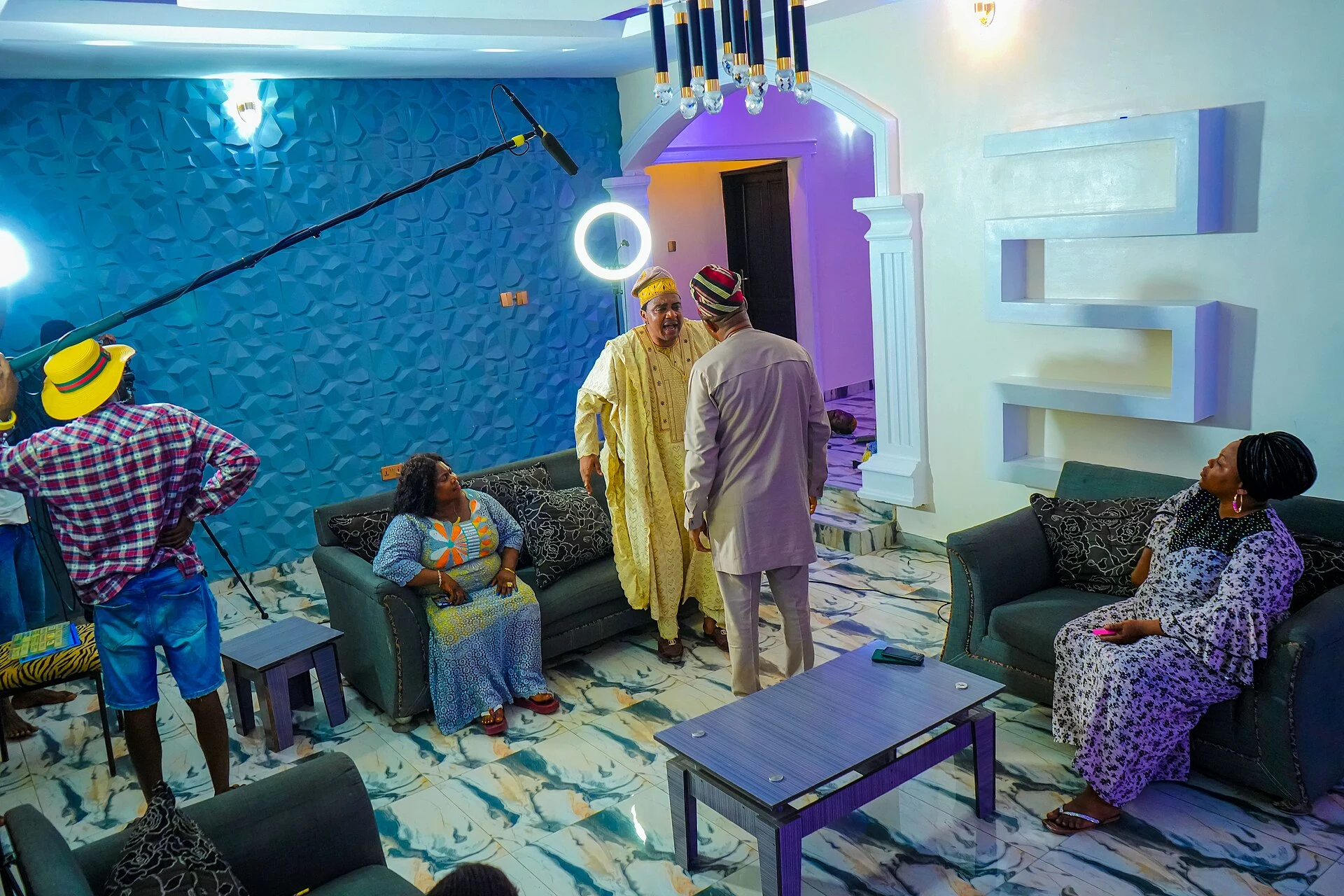
Coppola does more than direct: he writes and rewrites to shape the structure, running time and reception of his films. Apocalypse Now shows how text and editing work together to define a film’s final meaning.
By MovieResort Editorial Team
Christophe Gans returns to the franchise twenty years later to adapt Silent Hill 2. We analyze the documented adaptation decisions, the reconfiguration of Pyramid Head, and the critical reception of a film that seeks narrative fidelity but receives divided evaluations.
By MovieResort Editorial Team
The Rip (2026) turns the uncertainty of who can trust whom into the engine of its suspense. We analyze how Joe Carnahan structures the information asymmetry between the audience and the characters, and what distinguishes this film within the contemporary heist subgenre.
By MovieResort Editorial Team
The national label conceals a complex history: from the state monopoly of the CCM to the pluralization of co-productions, through the festivals and circuits that defined Moroccan cinematic identity.
By MovieResort Editorial Team
The history of cinema in Chile is not limited to films made within its borders. From educational cinema in the 1930s to documentaries made in exile, institutions and international networks also shaped production and how films travelled.
By MovieResort Editorial Team