The five-film collection is best understood not by charting its continuity, but by asking what each installment does with the same clock: confine people, push them onto the streets, isolate a territory, protect a route, or break the closing hour. AI-assisted article.
This reading is deliberately moderate on spoilers and is not intended to replace a complete viewing: it draws on official materials, technical interviews and exhibition coverage to identify which formal decisions are documented. Its conclusion is provisional, not a scene-by-scene review validated by a second editorial viewing.
Sitges’s sections are not mere compartments for arranging screening times. They form an editorial vocabulary that distinguishes competition, experimentation, independent horror, neighbouring genres, historical recovery, non-fiction and audience development. Reading that vocabulary makes it easier to find one’s way around and to debate what lies within—or at the edge of—the fantastic.
Published by BBC Culture in 2016, the ranking turned 177 critics’ ballots into a hierarchy of one hundred films. Its method helps explain what the poll measured—and why its results are not a universal verdict on contemporary cinema.
Three films, three scales of production, and a method for separating verifiable credits, visible choices, and shared responsibilities. AI-assisted article.
Pixar’s follow-up finds its reason for existing not in adding emotions to the board, but in shifting the conflict from managing what Riley feels to the fragility of how she begins to think about herself. It is a brisker and less revelatory sequel than the first, but one with a recognizable dramatic necessity.
The decisive question is not how many familiar elements Alien: Romulus brings back, but what the viewer knows about the place occupied by each body, the threat that remains offscreen, and the routes that can still be taken. But this version must not be presented as a definitive review: a full viewing under controlled technical conditions still needs to be documented.
“Drama” usually names less a formula than a way of organizing human conflicts. Its history does not move in a straight line: it changes with conventions, industries and ways of seeing.
A credit might say “actor,” “additional voices” or “special vocal effects.” With Frank Welker, those distinctions matter: they let us hear performance choices without assigning him the work of animators, editors and sound designers.
The festival’s history shows an institution that selects, develops and amplifies films, but its documents do not support a single, permanent definition of independent cinema.
A voice speaking over a shot does not inherently exist to explain it. It may organize time, state an interested version of events, or create distance from what we see and hear. This guide offers a viewing protocol for studying its authority as an effect of staging and sound mixing.
Opening credits arrange names, images, sound and time before the fiction settles into place. Reading them well is not about guessing the plot; it means describing their materials, hierarchy and the precise relationship they establish with the first scene.
AI-assisted label. “New Hollywood” names a real transformation, but not a uniform emancipation of directors: films moved through producers, executives, contracts, ratings, advertising, festivals and theater bookings. Reading that network makes it possible to assess, case by case, where autonomy existed and where the industry retained it.
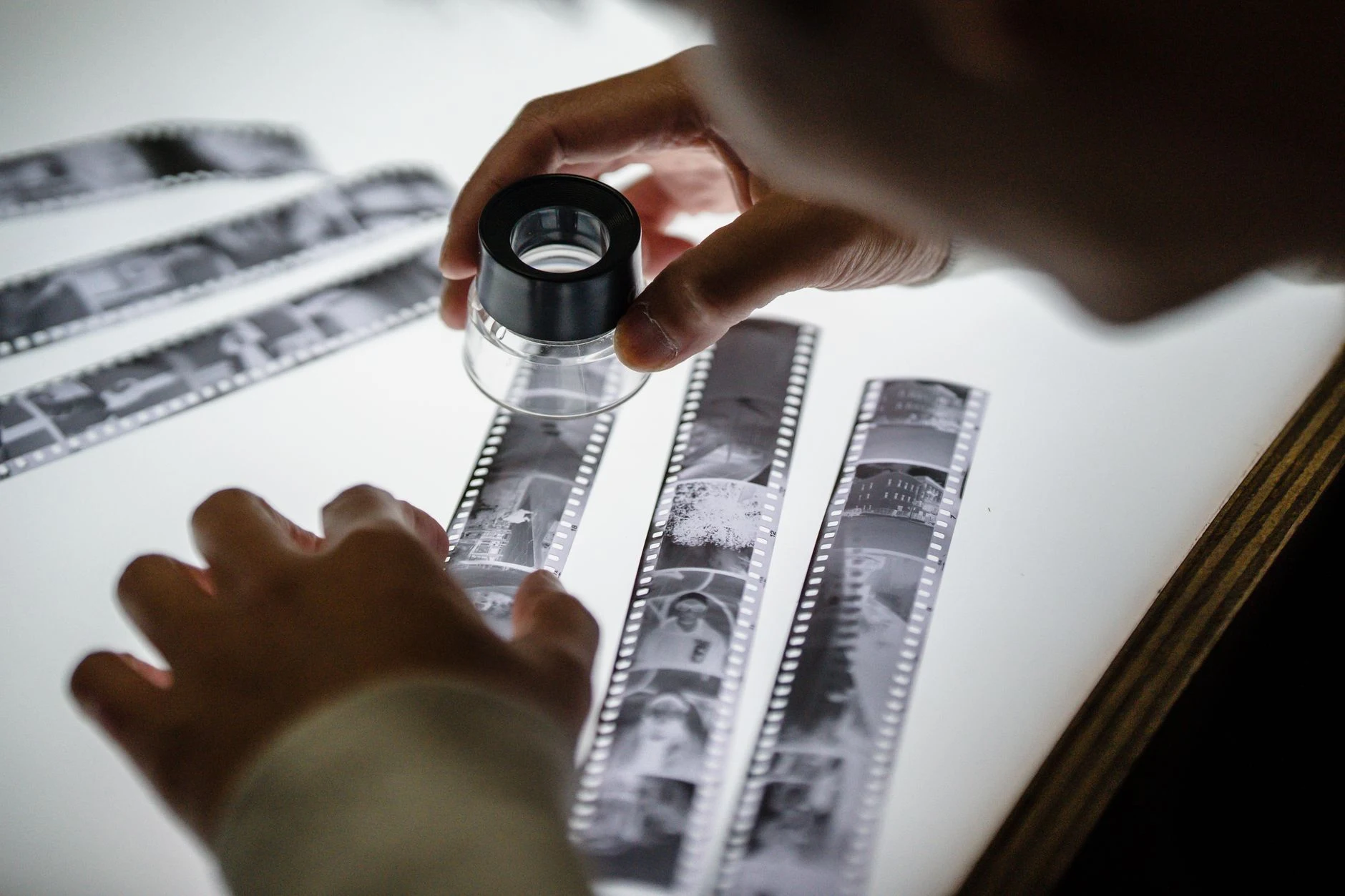
A restored print may recover shots, stabilize an image or reconstruct colour; that does not erase the film’s material history or turn every technical choice into transparent truth about its original release.
The same film can reach viewers in more than one legitimate framing, or in a version that has decisively altered its composition. The difference cannot be settled by counting black bars: it requires separating how the film was photographed, projected, transferred and which specific edition is being watched.
The five Dirty Harry films do not form a simple escalation in toughness. They change who controls information, which institution appears as a limit or an accomplice, and Harry Callahan’s place within the frame: investigator, target, public figure or spectacle.
Before looking for a recognizable theme, ask what information the music adds, withholds or shifts. Two contrasting cases—The Village and Michael Clayton—turn that question into a method for a second viewing without assigning the composer what also belongs to editing and the collective work of sound.
Production design does not begin when a set simply “looks good” on camera. It organizes a set of decisions about space, materials, objects, access, construction, budget and time—decisions that then intersect with framing, lighting, costume and performance. This guide proposes a way of looking at that work without turning it into a solitary signature.
The four films in the Warner-produced collection released between 2014 and 2019 do not use LEGO merely as a recognizable surface. They turn the connection, limit and scale of the pieces into a visual grammar: each world decides what can move, what can break and what kind of camera seems capable of looking at it.
A complete-spoiler guide to revisiting Weapons without reducing it to a single solution: a note-taking method for distinguishing cuts, ellipses, repetitions, shifts in perspective and relationships between image and sound.
By MovieResort Editorial Team
movieresort.
Less searching. More enjoying cinema.
AI-created illustration for MovieResort
movieresort.
Cinema, delivered to your inboxFree
Your next great film starts here. For free.
Únete a MovieResort y recibe una selección de cine que merece tu tiempo.
Discover what to watchFilms and connections to explore.
No spoilersContext to enjoy every story more.
Thoughtful new readsA selection of our latest articles.