Comparing a dubbed film with its original track is not a matter of tallying losses and successes. It means attending to several interventions—adaptation, dialogue fitting, vocal performance and sound playback—that alter the relationship between body, language, space and character in different ways.
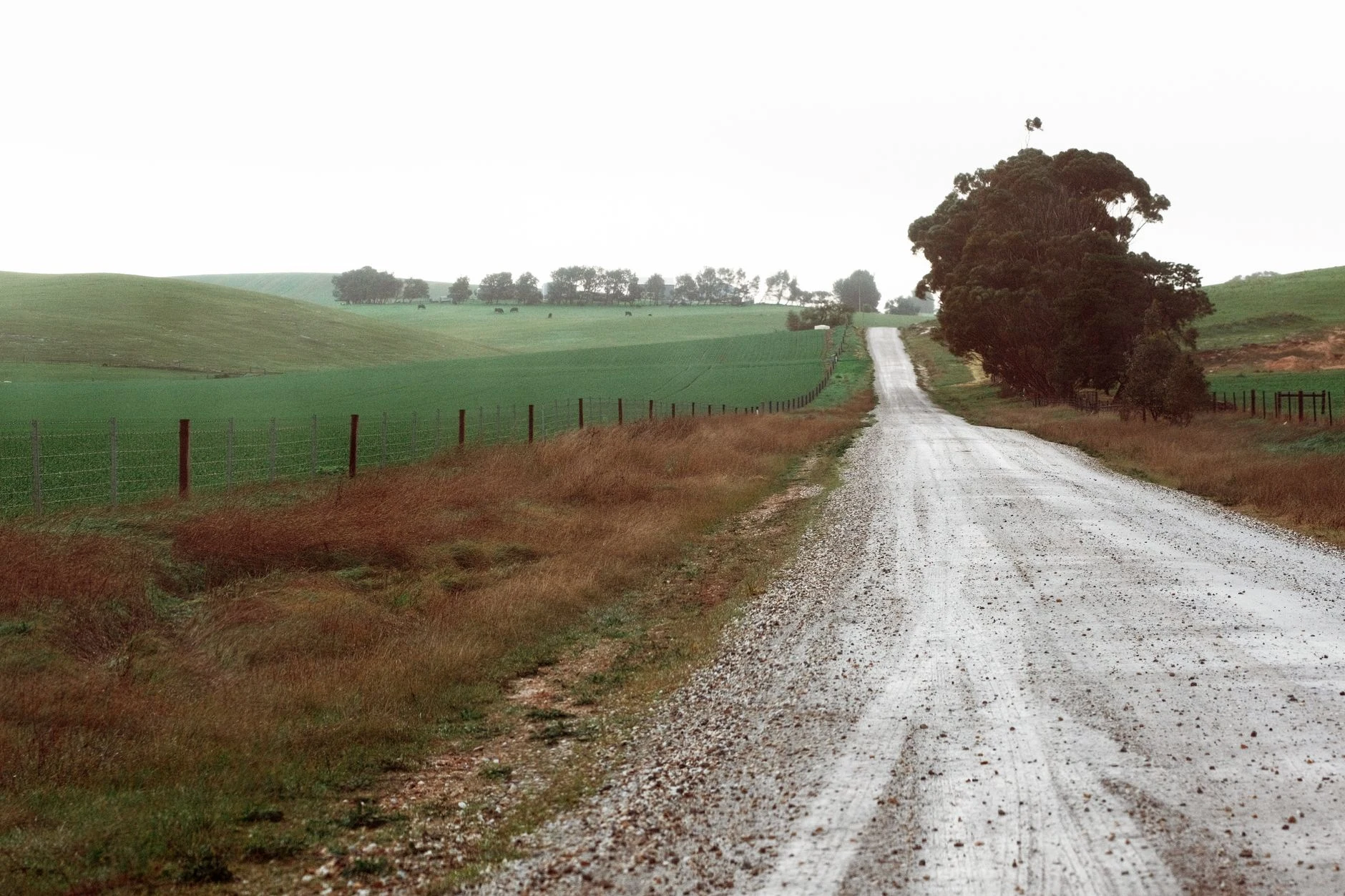
The so-called Australian New Wave does not name a closed stylistic bloc, nor an Australia that films simply reveal. It poses a problem of reading instead: first attend to the decisions that organise space on screen, then compare them with the industrial, historical and critical mechanisms that circulated certain images as national emblems.
The seven films in the collection do not share a fixed grammar of dreams. Rather, they share a problem: how to make an everyday space stop offering reassurance without allowing the viewer to date the moment of rupture with certainty.
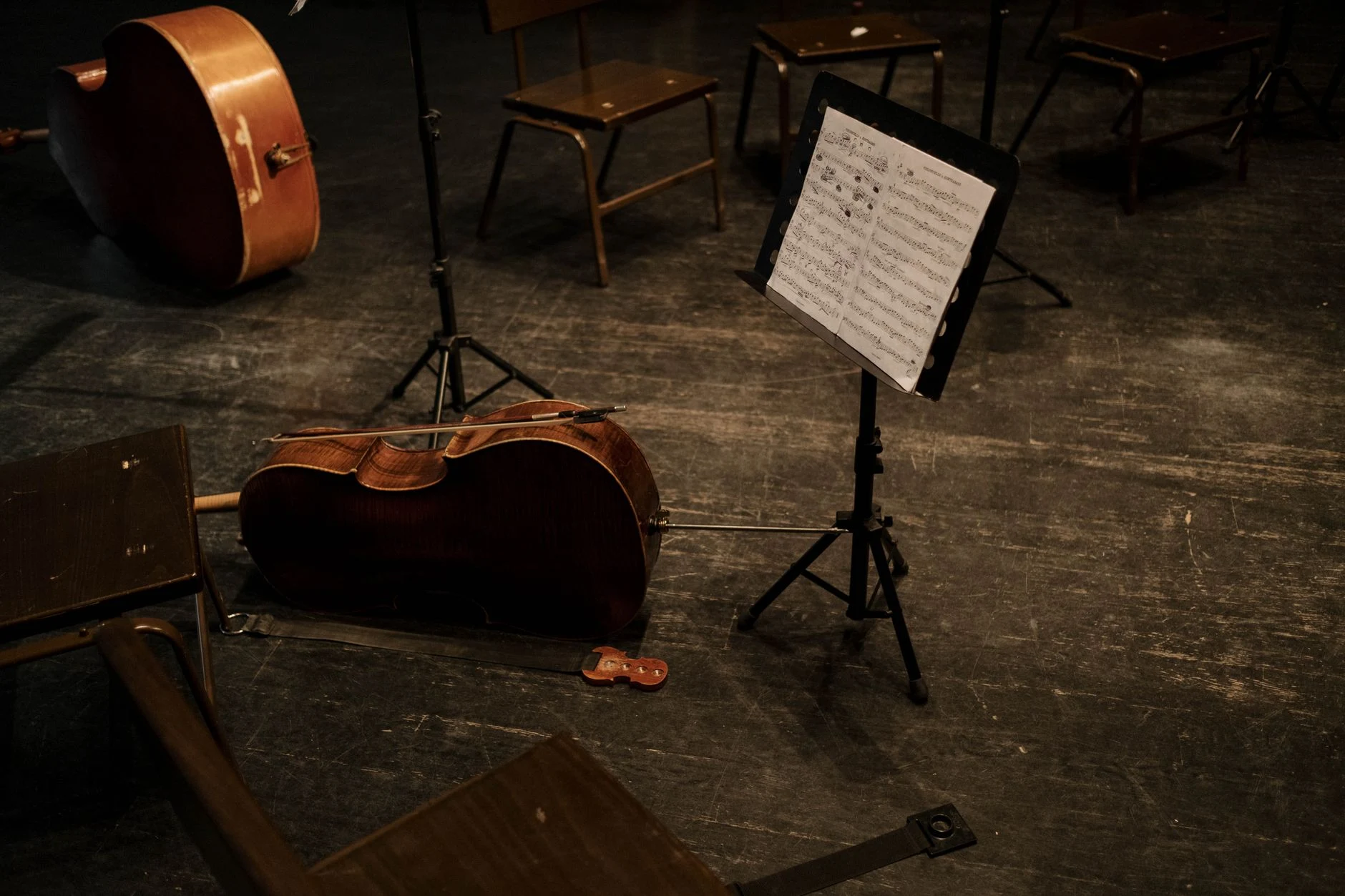
A guide to hearing a score credited to Hans Zimmer without turning a principal credit into a complete explanation or erasing the work of those who orchestrate, program, produce, perform, edit and mix.
New German Cinema was neither a single aesthetic nor a simple alignment of auteurs. Viewing it through its manifestos, schools, funding bodies, television networks, distribution cooperatives and exhibition circuits reveals both its material connections and the profound differences among its films.
A route through the four theatrical Jaws films that pays less attention to the escalating threat than to the circulation of information, the uses of water, and the communities that decide—or decline—to respond.
Charles Chaplin’s credits describe an exceptional degree of involvement, but they are not enough to turn every pause, cut or musical accent into a demonstrable individual decision. A corpus of three films and a comparison of versions make it possible to view the gag as a chain of operations: preparing information, managing the body in space, sustaining or interrupting a shot and, sometimes, altering the film again decades later.
Patricio Guzmán’s so-called Chile Trilogy brings together Nostalgia for the Light, The Pearl Button and The Cordillera of Dreams. It is best watched in that order, but not as a linear account or a total explanation of Chile: it is a series formed gradually, in which landscape, first-person voice, testimony and archival images serve different functions in each film.
A selection, a screening and a rights acquisition are different events. This guide proposes reading Cannes as a set of verifiable layers, rather than as a shortcut for predicting quality, release dates or availability.
So-called pre-Code Hollywood was not a brief libertine exception between two orderly eras, but a period of existing rules, uneven enforcement, local censorship, religious pressure and business negotiation. This guide proposes watching its films through the ways they organize desire, work, crime and endings. AI-assisted article.
The label “Warner look” describes a real historical association, but becomes imprecise when it replaces credits, formats and the specific conditions under which films are made. A brief selection from Casablanca to Barbie shows why the studio name is better treated as an industrial question than as an aesthetic answer.
A “Release” label can help guide a search, but it does not replace the information that genuinely changes the experience: which version is available, how long it runs, what age rating it has and what you expect from the viewing session.
A song does not have to “move the plot forward” in one single way to count as action. It can settle a decision, redistribute a relationship, redraw a space, speed up or suspend time, or introduce a critical distance from what we see. This guide approaches the musical number as an operation of mise-en-scène, not an interval between scenes.
AI-assisted article. The phrase “a Netflix film” may describe an in-house production, a rights acquisition or an exclusive streaming window. Three case files show why a brand alone cannot reconstruct who made, financed, sold or released a work.
Reducing Hong Kong cinema to chases, neon, and combat choreography erases a history shaped by dialects, studios, migration, television, co-productions, and incomplete archives. This guide offers verifiable criteria for placing each film in context before turning it into an emblem.
The Wild Robot, Elio and Mufasa: The Lion King do not make a world inhabitable in the same way. This itinerary asks what bodies, edges, surfaces and tasks do to make a space seem to exist before a character arrives and to continue once they leave.
The number in the title announces a chronology, but the film makes it legible in another way: as a culture forced to rebuild its gestures, its stories and its sense of danger. This analysis is limited to documented formal decisions and avoids treating franchise continuity as an automatic explanation.
Michael Kahn’s work makes it possible to study editing as a decisive creative practice without treating every cut as proof of an individual signature. The key is not to guess who “made” a scene, but to separate what the screen shows, what the process documents and what can only be framed as a hypothesis.
Reading a film is not the same as hearing its dialogue transcribed. Subtitles select, arrange and time information within specific limits of space, time and readability; they can therefore alter the rhythm, tone and attention we give to the shot.
Calling Hitchcock the “master of suspense” is a useful historical shortcut, but it says little about how his films work. A more useful method asks what the viewer knows, from where they look, how long they must wait, and what framing, cutting, sound and space do to make that position unstable.
By MovieResort Editorial Team
movieresort.
Less searching. More enjoying cinema.
AI-created illustration for MovieResort
movieresort.
Cinema, delivered to your inboxFree
Your next great film starts here. For free.
Únete a MovieResort y recibe una selección de cine que merece tu tiempo.
Discover what to watchFilms and connections to explore.
No spoilersContext to enjoy every story more.
Thoughtful new readsA selection of our latest articles.