The decade was neither a single aesthetic nor a shared story across all national cinemas. But the material gathered here is not enough to reconstruct its works, changes and contexts rigorously. We should distinguish useful leads from conclusions that cannot yet be supported.
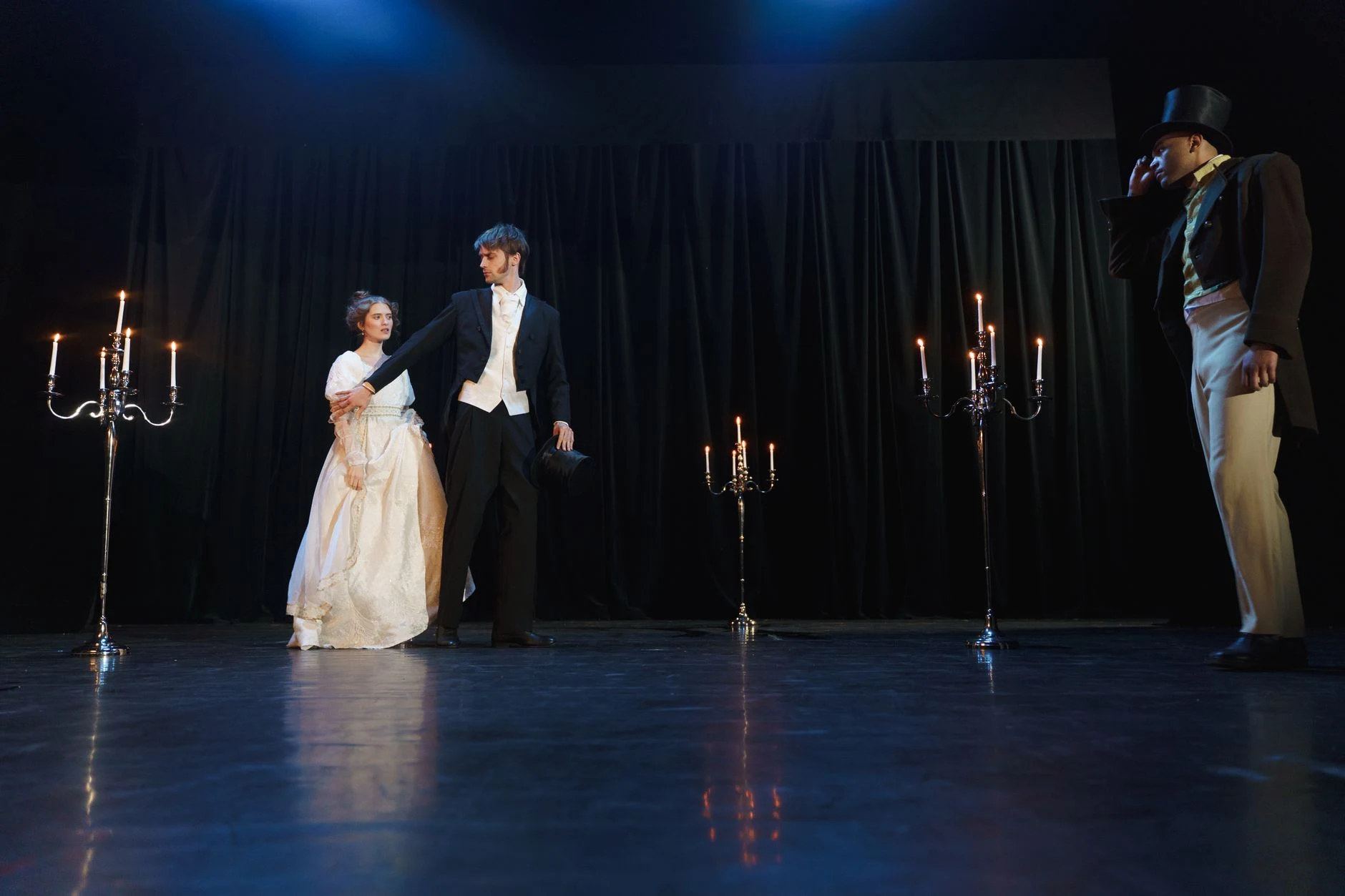
The new film is being presented as an adaptation of Jane Austen, but the available documentation is not enough to analyze its scenes or independently confirm its Spanish release. Before judging its relationship to the novel or earlier versions, it is worth distinguishing announcements, incomplete records and direct evidence.
The decade cannot be reduced to a list of titles or a single national history. The material located verifies one specific case, but does not yet support a broad historical overview. This article distinguishes between the record, interpretation and gaps in the evidence.
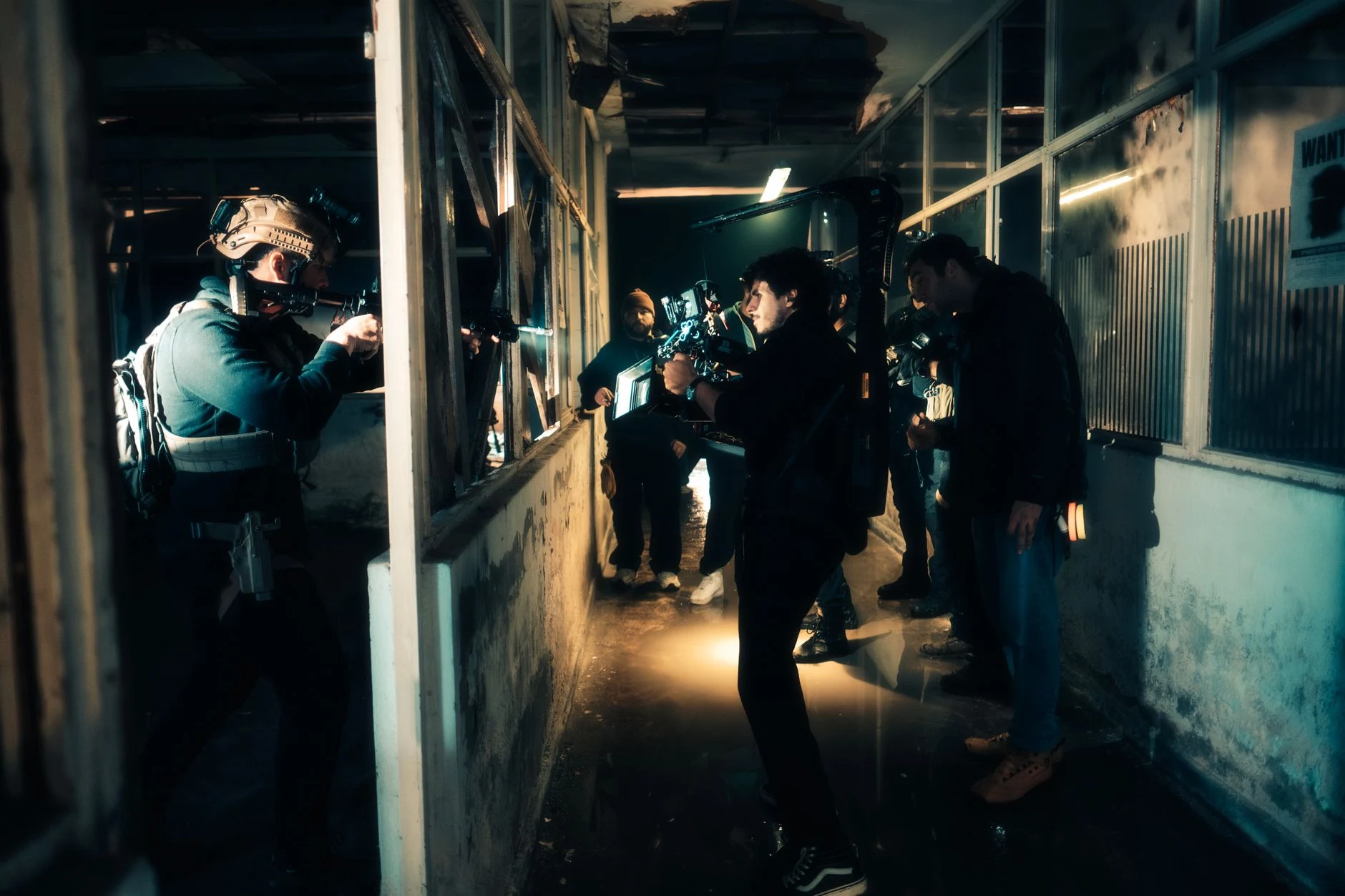
The genre is recognized by the centrality of movement and conflict, but turning that intuition into a verifiable history requires more than a quick chronology. The evidence available here is not enough to document films, dates or a complete evolution.
A national history of cinema requires more than a shared label. The available evidence points to several avenues of study, but it is not enough to establish a chronology, select representative films or generalise about a diverse industry.
The available results help identify titles and analytical frameworks, but they do not support a general history of the decade. A rigorous reading requires distinguishing an editorial selection from a periodization and from historical evidence.
A national history of cinema cannot be established by listing titles or imposing a single periodization. The available sources point to a few frameworks and examples, but they also require us to distinguish what is documented from what still needs verification.
From 2010 to 2019, the rise of digital consumption coexisted with the persistence of cinemas, the international circulation of films and inequalities that awards did not erase. A look at documented examples, not at some supposedly representative film.
The Vow of Chastity was more than a recognizable aesthetic: it set out specific restrictions, but accounts of production show that following them, interpreting them and certifying compliance were different things.
The company was created to distribute films by artists who wanted to negotiate from a different position. But its history does not describe a state of permanent independence: it shows how financing, distribution, ownership and creative decisions could separate and later intersect again.
A numeral may look like a simple instruction: this film comes after another one. But the history of sequels shows that a number can signal continuity, sell a brand, reorder the past or vanish when it crosses a border. Toy Story 5 offers a current case for learning to distinguish those promises.
A distribution credit identifies a role in a particular film; on its own, it does not establish who produced the film, who owns its rights or where it was distributed. Universal’s history shows why each detail should be read in context.
“Drama” usually names less a formula than a way of organizing human conflicts. Its history does not move in a straight line: it changes with conventions, industries and ways of seeing.
AI-assisted label. “New Hollywood” names a real transformation, but not a uniform emancipation of directors: films moved through producers, executives, contracts, ratings, advertising, festivals and theater bookings. Reading that network makes it possible to assess, case by case, where autonomy existed and where the industry retained it.
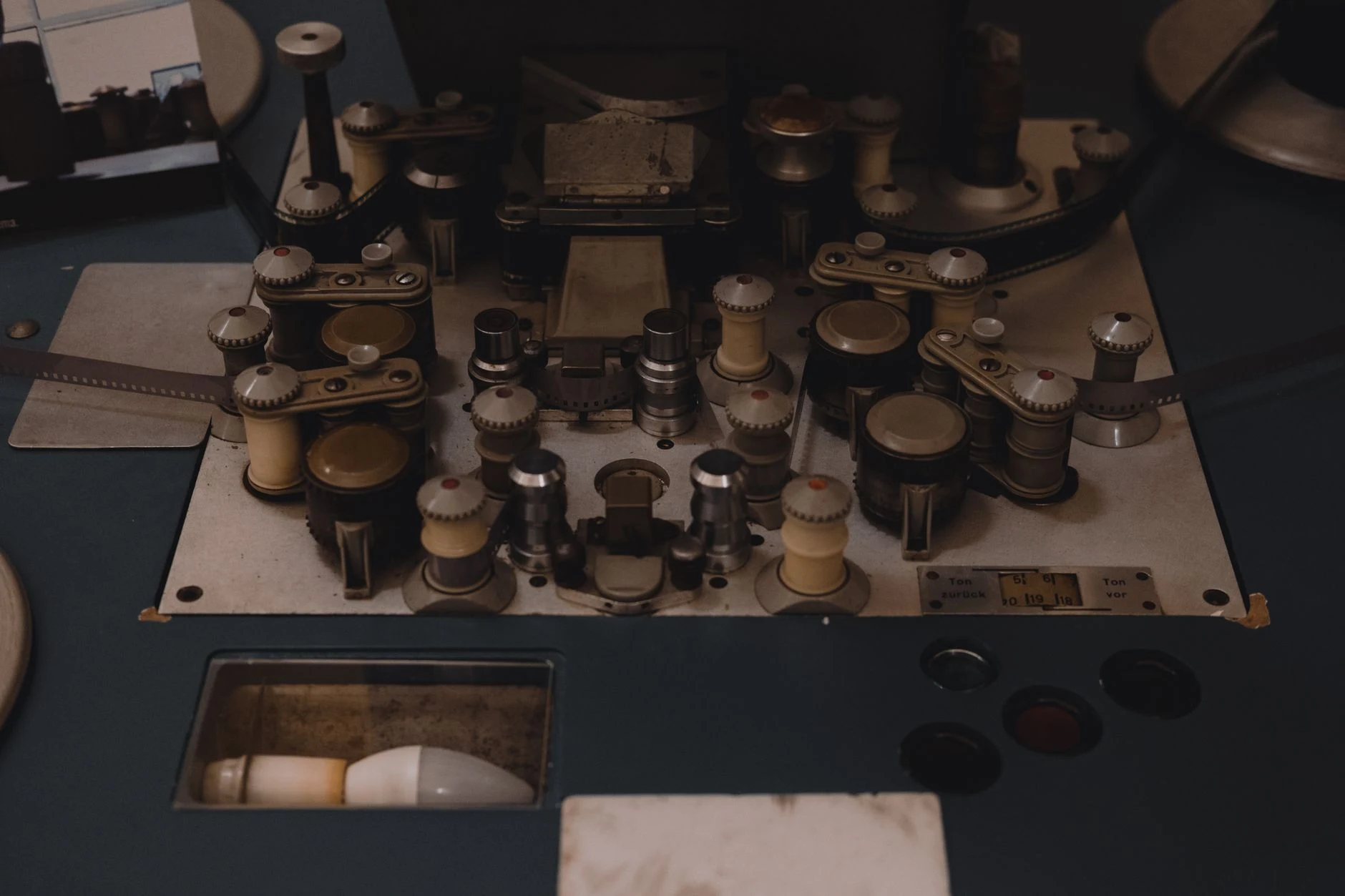
A restored print may recover shots, stabilize an image or reconstruct colour; that does not erase the film’s material history or turn every technical choice into transparent truth about its original release.
The so-called Australian New Wave does not name a closed stylistic bloc, nor an Australia that films simply reveal. It poses a problem of reading instead: first attend to the decisions that organise space on screen, then compare them with the industrial, historical and critical mechanisms that circulated certain images as national emblems.
New German Cinema was neither a single aesthetic nor a simple alignment of auteurs. Viewing it through its manifestos, schools, funding bodies, television networks, distribution cooperatives and exhibition circuits reveals both its material connections and the profound differences among its films.
So-called pre-Code Hollywood was not a brief libertine exception between two orderly eras, but a period of existing rules, uneven enforcement, local censorship, religious pressure and business negotiation. This guide proposes watching its films through the ways they organize desire, work, crime and endings. AI-assisted article; eligible for publication only after passing documented checks of sources, claims, localization, originality, quality and
Reducing Hong Kong cinema to chases, neon, and combat choreography erases a history shaped by dialects, studios, migration, television, co-productions, and incomplete archives. This guide offers verifiable criteria for placing each film in context before turning it into an emblem.
Stan Lee’s association with a film can mean very different things: that an adaptation draws on characters linked to his work in comics, that he held a production role, that he made a cameo, or that an economic agreement covered Marvel’s audiovisual exploitation. None of those forms of evidence, on its own, shows that he wrote, directed or controlled the finished film.
By MovieResort Editorial Team
movieresort.
Less searching. More enjoying cinema.
AI-created illustration for MovieResort
movieresort.
Cinema, delivered to your inboxFree
Your next great film starts here. For free.
Únete a MovieResort y recibe una selección de cine que merece tu tiempo.
Discover what to watchFilms and connections to explore.
No spoilersContext to enjoy every story more.
Thoughtful new readsA selection of our latest articles.